BJJ technique library
Guards, passes and submissions. Each technique shows what it connects to, the champions who use it, and videos to study.
Standing
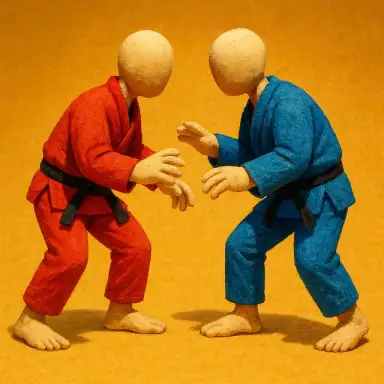 Standing
The starting position where practitioners face each other on their feet. This is where grip fighting and takedown attempts begin, forming the initial phase of a jiu-jitsu match.
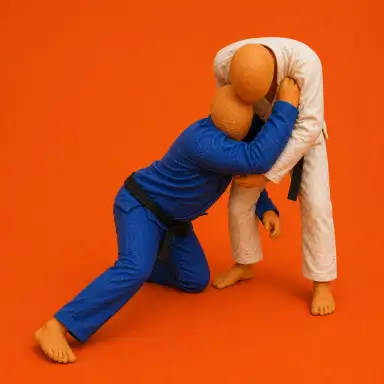 Single Leg Takedown
A takedown technique where one leg of the opponent is grabbed and controlled to bring them to the ground. Variations include ankle picks and high crotch setups, making it versatile in grappling and MMA.
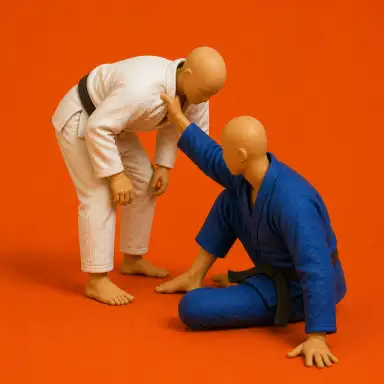 Collar Drag
A technique where you grip the opponent's collar and pull them forward to off-balance them. This move creates opportunities for takedowns, sweeps, or back takes.
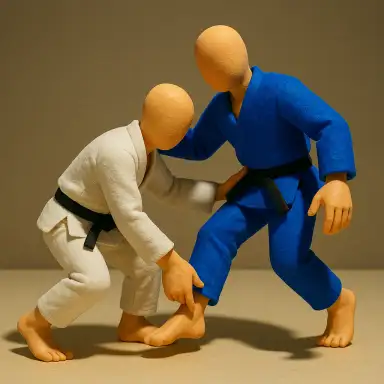 Ankle Pick
A takedown technique that involves grabbing the opponent's ankle while disrupting their balance with a grip or head pressure. It is effective in both gi and no-gi settings.
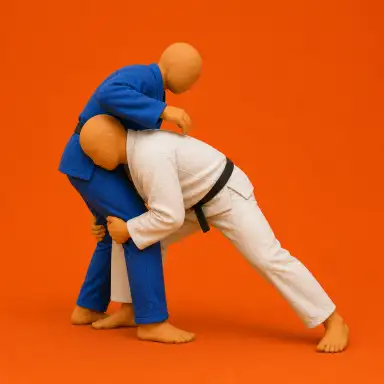 Double Leg Takedown
A standing takedown that attacks both of the opponent's legs at once. The attacker changes levels, drives through the hips, and finishes by running the opponent to the mat.
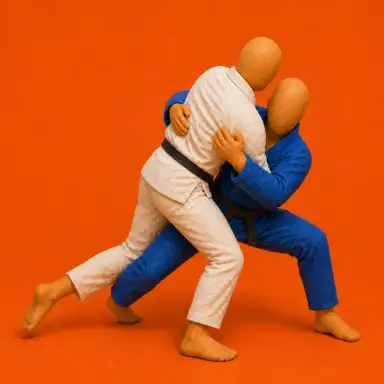 Inside Trip
A standing takedown that reaps or blocks the opponent's leg from the inside while controlling their upper body. It is often paired with body locks and clinch pressure.
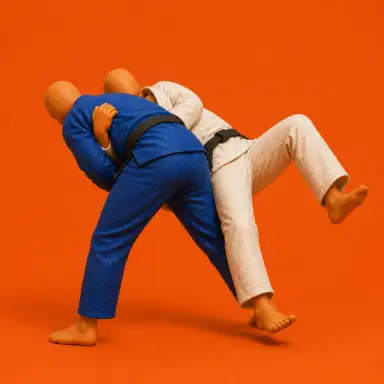 Outside Trip
A standing takedown that trips or reaps the opponent's leg from the outside. The attacker combines upper-body control with leg placement to bring the opponent down.
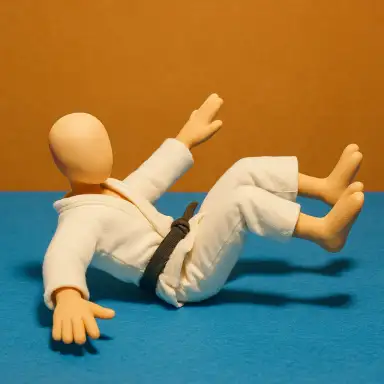 Break Fall
A controlled falling technique used to minimize impact and prevent injury. It is essential for practicing takedowns, throws, and other high-impact movements safely.
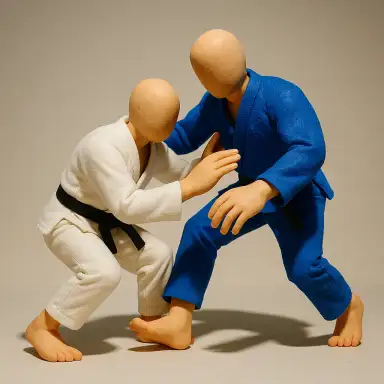 Takedown
Any technique used to bring the opponent from standing to the ground. These techniques derived from wrestling or judo form the starting point of ground fighting.
Guards and sweeps
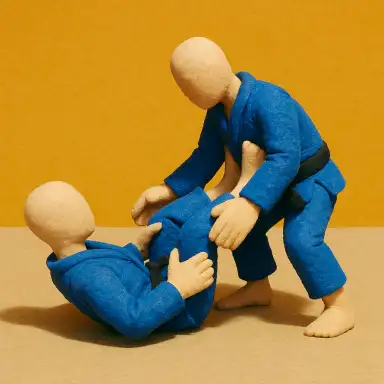 Open Guard
A position where the bottom player uses their legs to control the opponent without fully wrapping them. This versatile position serves as the foundation for many specialized guard variations and offers numerous attacking options.
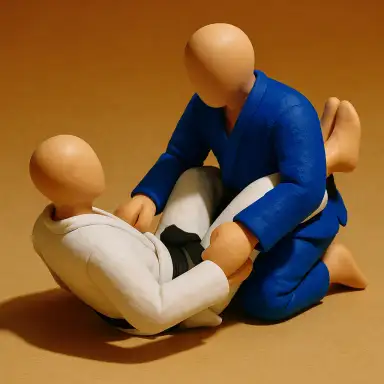 Closed Guard
A defensive position where the bottom player wraps their legs around the opponent's waist and locks their ankles. This position limits the top player's movement while allowing the bottom player to attempt sweeps or submissions.
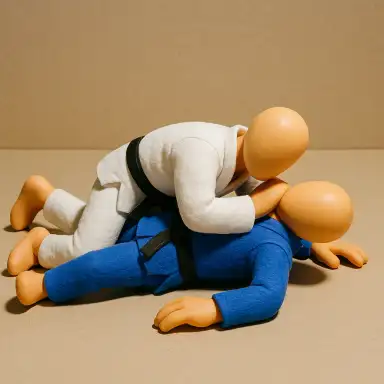 Half Guard
A position where the bottom player controls only one of the opponent's legs with their own legs. This transitional position occurs frequently, with the bottom player typically working for sweeps while the top player attempts to pass.
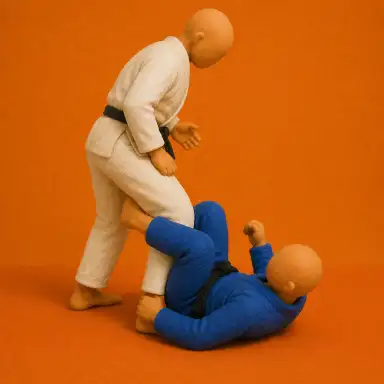 De La Riva Guard
An open guard variation where the practitioner hooks the opponent's leg with their outside foot while controlling the sleeve or collar. This versatile guard offers numerous sweeping and back-taking opportunities.
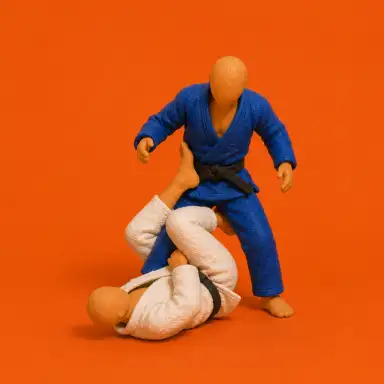 Single Leg X Guard
A variation of X guard focusing on controlling just one of the opponent's legs. This specialized guard is particularly effective for certain sweeps and leg attacks.
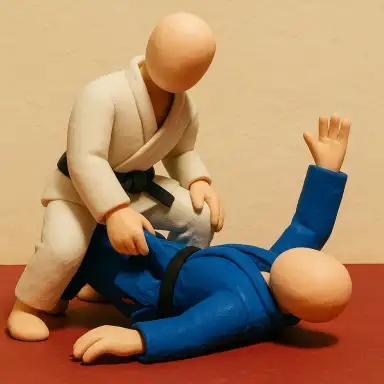 Sweep
A technique used to reverse positions from bottom to top by off-balancing the opponent. These important transitional techniques allow the bottom player to gain a more advantageous position.
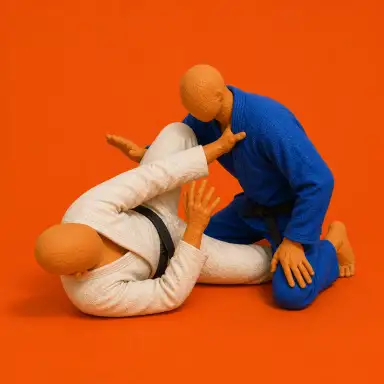 Knee Shield
A half guard variation where the practitioner uses their knee as a barrier against the opponent's pressure. This position prevents weight distribution on the torso and sets up sweeps or transitions.
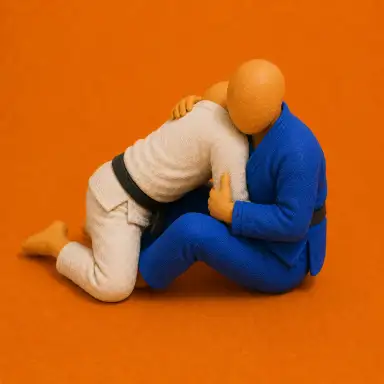 Butterfly Guard
An open guard position where the bottom player places both feet on the inside of the opponent's thighs. This dynamic guard excels at creating leverage for sweeps and elevations.
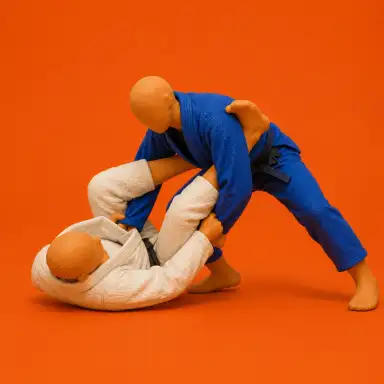 Lasso Guard
A guard variation where the practitioner wraps their leg around the opponent's arm and controls it using the gi sleeve. This provides strong control similar to spider guard but with different attacking options.
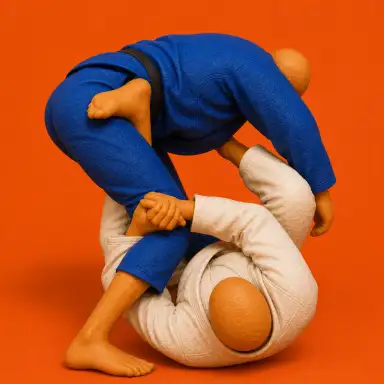 K Guard
A modern open guard where the bottom player creates a scissoring leg frame around the opponent's body and leg. It is commonly used to enter leg locks, back takes, and matrix-style attacks.
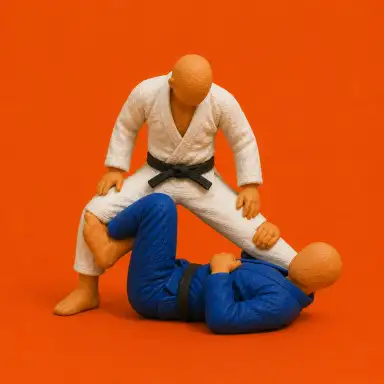 X Guard
A guard position where one of the opponent's legs is elevated between the practitioner's legs in an X formation. This position is excellent for sweeps and leg attacks.
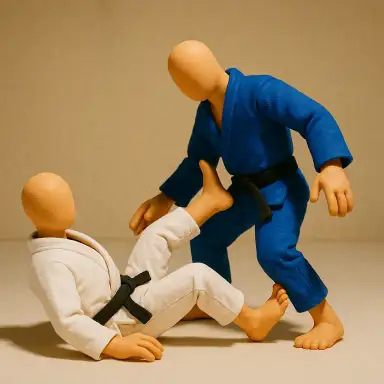 Tripod Sweep
A sweep that uses grips on the opponent's legs combined with off-balancing techniques to topple them. It is effective from various guard positions and often taught to beginners due to its simplicity.
- Deep Half Guard
A half guard variation where the practitioner moves deep under the opponent's center of gravity. This advanced guard offers powerful sweeping options by controlling the opponent's weight distribution.
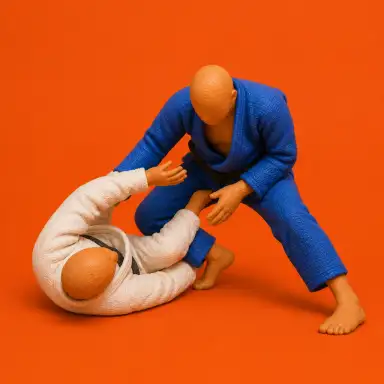 Reverse De Riva Guard
A variation of De La Riva guard with the controlling leg in the opposite position. This specialized guard is effective for certain sweeps and back takes.
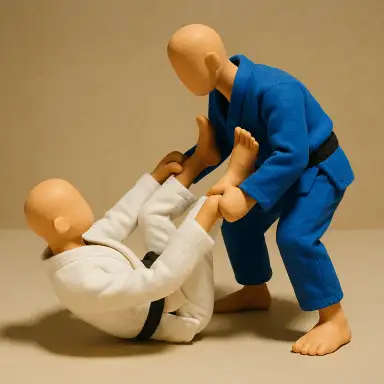 Spider Guard
A guard where the practitioner controls the opponent's arms by grabbing their sleeves and placing feet on their biceps or inside elbows. This guard creates distance and destabilizes the opponent effectively.
- Worm Guard
An advanced lapel guard variation where the practitioner weaves the opponent's lapel around their own leg for enhanced control. This innovative modern technique, popularized by Keenan Cornelius, provides powerful control and sweeping options while severely limiting the opponent's mobility.
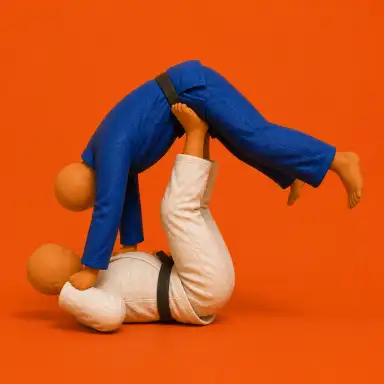 Balloon Sweep
A sweep that lifts and off-balances the opponent with the legs, often sending them forward or overhead. It is commonly used from open guard against a standing or kneeling opponent, and also from closed guard variations.
- Coyote Guard
A half guard system popularized by Lucas Leite, built around the underhook from the bottom. The practitioner comes up on their side into a dog fight position to sweep or take the back.
- Kimura Sweep
A sweep that uses the threat of a Kimura submission to off-balance and reverse an opponent. It is highly versatile and can be executed from positions like closed guard or half guard.
- Kiss Of Dragon
An advanced back-taking technique from open guard that involves inverting under the opponent to secure hooks and control their back.
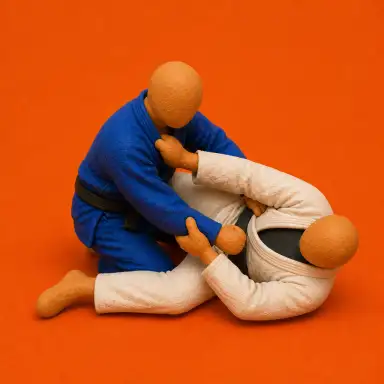 Scissors Sweep
A sweep from closed guard that uses a scissoring motion with the legs to off-balance the opponent and transition to mount or side control.
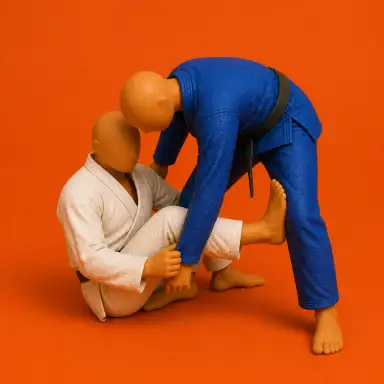 Sit Up Guard
A guard position where the practitioner sits up rather than lying on their back. This starting position is excellent for transitioning to butterfly guard, single leg X, or other attacks.
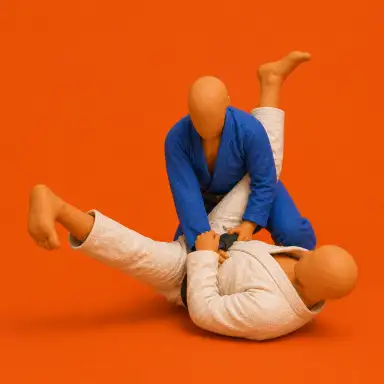 Flower Sweep
A basic closed guard sweep where the practitioner grips the opponent's sleeve or arm and the leg on the same side, then swings the hips like a pendulum to off-balance them. It finishes in the mount position.
- Matrix
An advanced back-taking system that uses leg entanglements to control an opponent's hips and transition smoothly into back control.
- Rubber Guard
A guard variation where the bottom player brings one leg high up to break the opponent's posture. This flexibility-demanding technique popularized by 10th Planet Jiu-Jitsu creates opportunities for submissions and control.
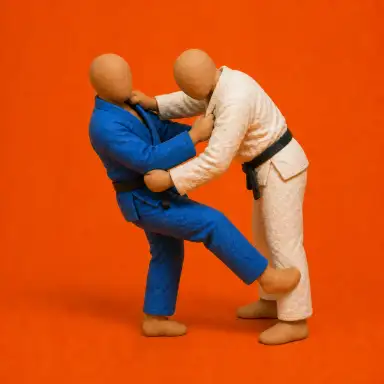 Foot Sweep
A takedown technique that involves sweeping an opponent's foot out from under them while controlling their upper body. It is effective for disrupting balance in standing exchanges.
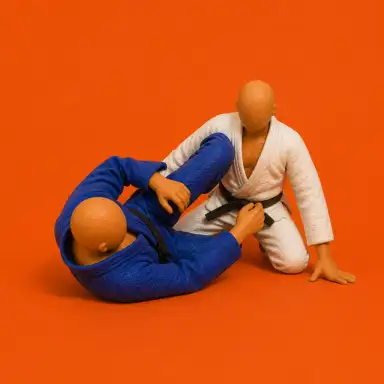 Z Guard
A half guard variation where the bottom player uses their top knee as a shield against the opponent's pressure. Also known as knee shield, this position provides effective defensive options and counter-attacking opportunities.
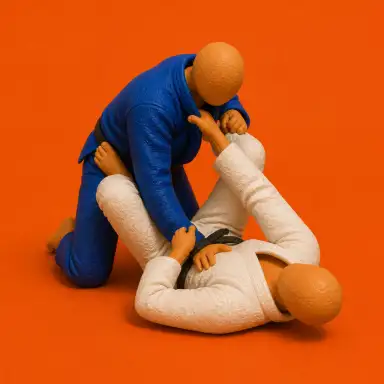 Collar And Sleeve Guard
A fundamental open guard position where the practitioner grips one collar and one sleeve of the opponent. This basic yet effective control method is especially common in gi jiu-jitsu.
- Deep De Riva Guard
An advanced variation of the De La Riva guard where the practitioner moves deeper under the opponent's center of gravity. This position provides strong control and opens opportunities for sweeps and back takes.
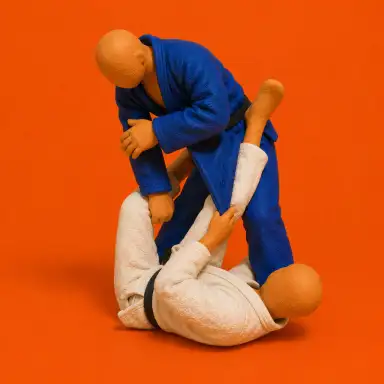 Lapel Guard
A guard that utilizes the opponent's gi lapel for control. This technique uses the long fabric to restrict movement and set up various attacks.
- Octopus Guard
A bottom position where the practitioner sits up beside the opponent from half guard or under side control and reaches an arm around their back. From this angle, it leads to sweeps, back takes, and front headlock attacks.
- Waiter Guard
A guard position resembling a waiter holding a tray, used to set up specific sweeps. This unique position offers an effective control point for transitioning to more advantageous positions.
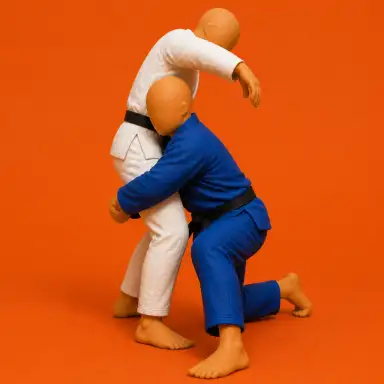 Wrestle Up
A guard transition where the bottom player comes up to a wrestling position instead of staying seated or supine. It is used to attack single legs, body locks, and top position.
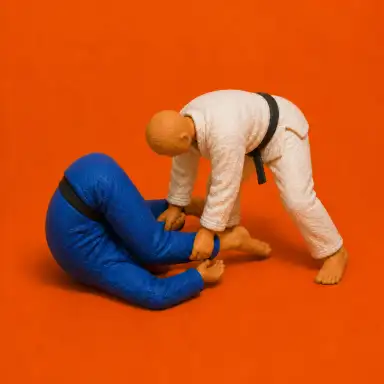 Inverted Guard
A guard position where the practitioner is upside down, using their legs to control the opponent. This modern flexible guard position requires mobility and creates unique attacking angles.
- John Wayne Sweep
A sweep from half guard that uses a combination of hip movement and leverage to off-balance and reverse an opponent, often transitioning into top position.
- Lumberjack Sweep
A sweep against a standing opponent that grips both ankles or heels and pushes the knees with the hips to knock them backward. It commonly appears from closed guard when the top player stands up and breaks the closed guard.
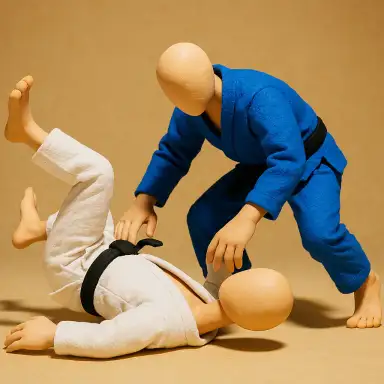 Guard Recovery
The process of regaining a guard position after being passed or losing control. It involves framing, hip movement, and leg placement to re-establish defensive posture.
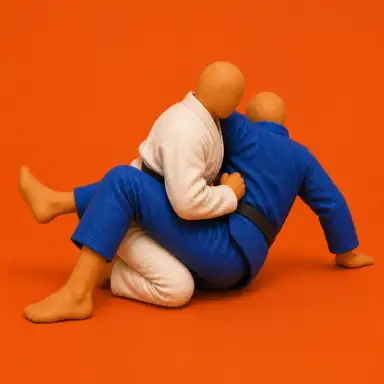 Hip Bump Sweep
A closed guard sweep that uses a sit-up motion and hip drive to knock the opponent over. It pairs well with kimura and guillotine threats when the opponent postures up.
- Pendulum Sweep
A closed guard sweep that uses a swinging leg motion to generate rotational force. By controlling the opponent's arm and angle, the attacker can sweep directly into mount.
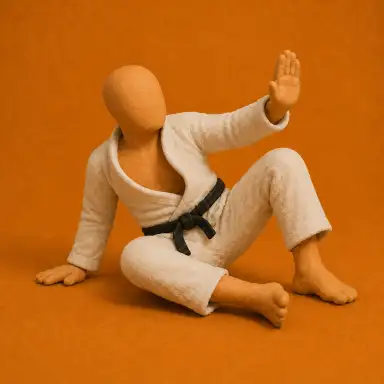 Technical Stand Up
A safe stand-up movement from a seated or grounded position. The practitioner frames, posts, and retracts the leg to stand while protecting distance and posture.
- Waiter Sweep
A sweep from waiter guard or deep half guard that shelves the opponent's leg and uses underneath control to come up into top position.
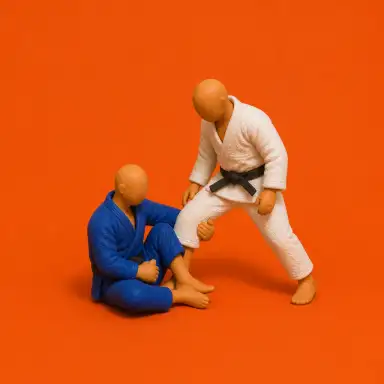 Shin To Shin Guard
A guard where the practitioner places their shin against the opponent's shin for control. This position often serves as an entry point to single leg X guard.
- Squid Guard
A modern guard system inspired by the movement of a squid, controlling the opponent at multiple points. This innovative position creates confusion and offers various attacking options.
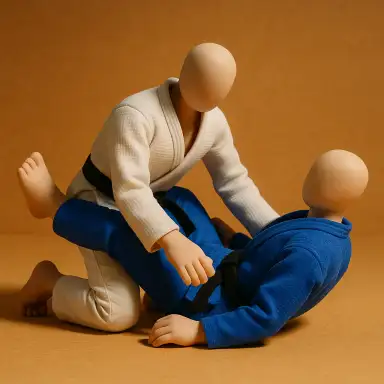 Guard
A foundational position in BJJ where the practitioner uses their legs to control and defend against an opponent from the bottom. It is versatile and can lead to sweeps, submissions, or positional advancements.
Guard passing
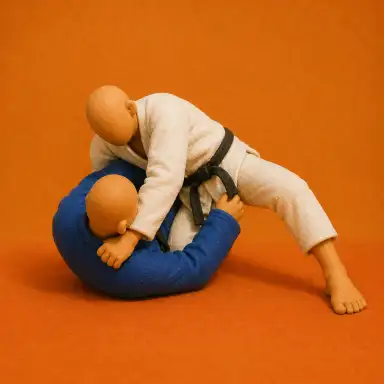 Knee Cut
A guard passing technique where the practitioner cuts one knee through the opponent's legs. This fundamental pass involves placing one knee on the ground while driving the other knee through the opponent's guard.
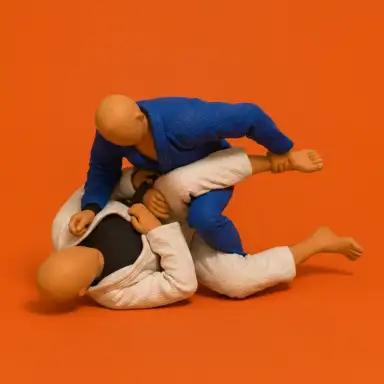 Leg Drag
A guard passing technique where the practitioner drags the opponent's leg across to pass to side control. This effective method crosses the opponent's legs to limit their mobility.
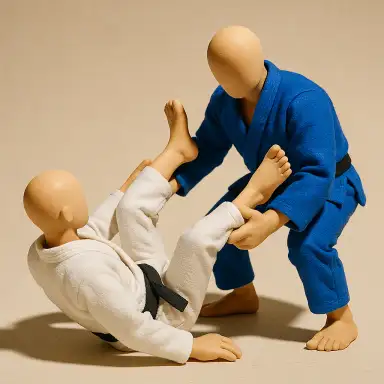 Toreando Pass
A guard pass where the practitioner pushes the opponent's legs to the sides like a bullfighter. This dynamic pass uses speed and timing to get past the opponent's legs.
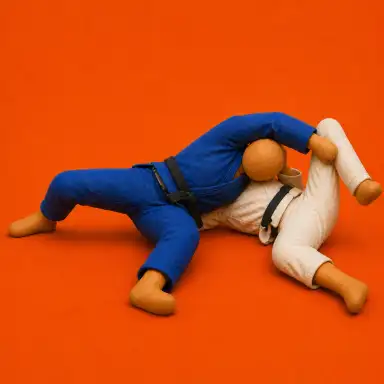 Long Step
A dynamic passing technique where the practitioner steps wide to bypass the opponent's guard. It is often used to transition into north-south or side control with speed and efficiency.
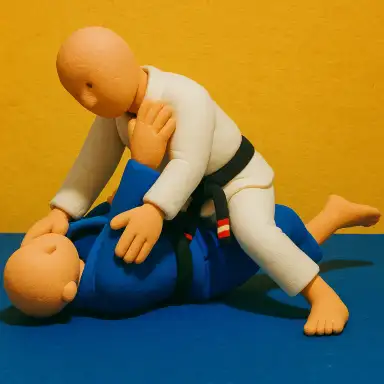 Pressure Pass
A methodical guard passing style that uses sustained pressure to gradually break down the opponent's guard. This patient approach requires technical precision and persistence.
- Stack Pass
A guard pass that involves stacking the opponent by pushing their legs toward their head. This pass limits the opponent's movement by compressing them into a folded position.
- Leg Weave
A guard passing technique where the practitioner weaves their leg through the opponent's legs to neutralize their guard and transition to side control.
- Over Under
A guard passing technique where one arm goes under one of the opponent's legs and the other arm over the other leg. The passer stacks and pins the hips with heavy pressure before walking around to side control.
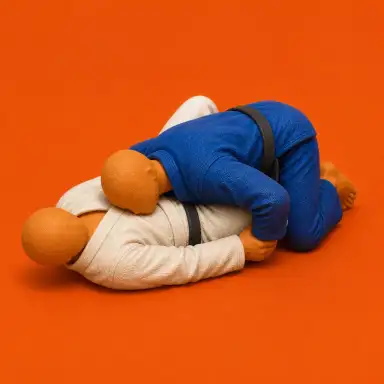 Smash Pass
A guard passing style that uses heavy pressure to break down the opponent's guard. This technique utilizes body weight and pressure to limit the opponent's options.
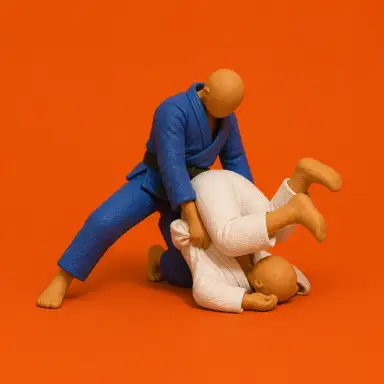 Double Under
A guard passing approach where the practitioner places both arms under the opponent's legs. This powerful passing method applies strong pressure to break through the guard.
- Crazy Dog Pass
A guard passing technique that staples the opponent's legs to the mat while controlling their posture. It neutralizes defenses and transitions effectively into dominant positions like side control.
- Gator Roll
A rolling movement used to transition into a choke, such as a D'arce or Anaconda choke. It involves trapping the opponent's head and arm while rolling to tighten the submission.
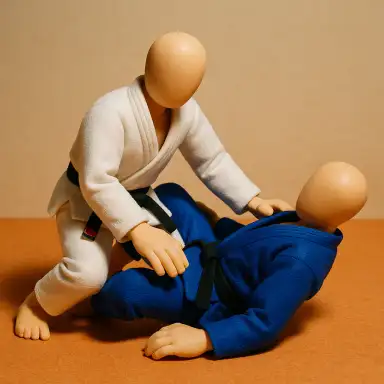 Knee Slide
A guard passing technique where the practitioner slides their knee through the opponent's legs. This smooth passing method uses controlled pressure to navigate through the opponent's defenses.
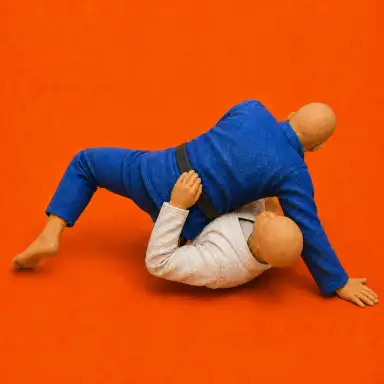 Back Step
A guard passing technique where the practitioner steps backwards over the opponent's leg. This effective method to pass half guard and similar positions transitions to side control or mount.
- Lapel Pass
A guard passing technique that uses the opponent's gi lapel to control their movements and create openings. It is effective for transitioning into dominant positions while restricting the opponent's defenses.
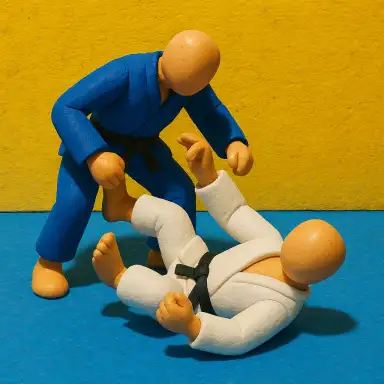 Shin Trap
A technique that uses your shin to immobilize or control an opponent's leg, often used during guard passing to limit their mobility.
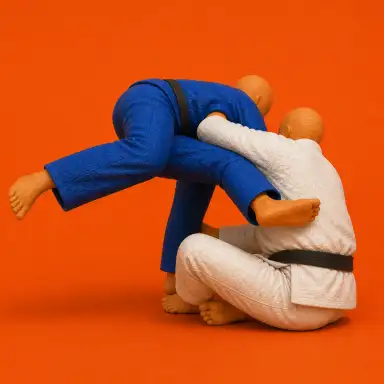 Surfer Pass
A guard passing technique where the practitioner maintains balance while standing over the opponent's legs. It emphasizes stability and control during transitions.
- Duck Under
A wrestling-based movement used to transition behind an opponent by ducking under their arm. It is effective for taking the back or setting up takedowns.
- Wiper
A movement used to clear an opponent's legs during guard passing by sweeping them aside like windshield wipers. This technique helps transition into dominant positions smoothly.
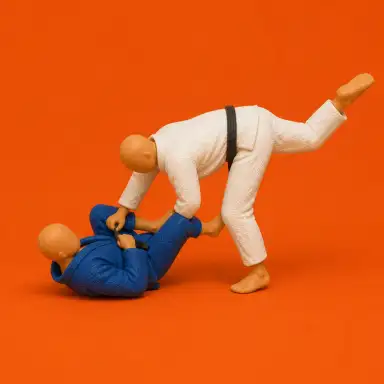 X Pass
A guard pass that applies pressure in an X pattern through the opponent's legs. This crossing motion effectively limits the opponent's mobility to facilitate the pass.
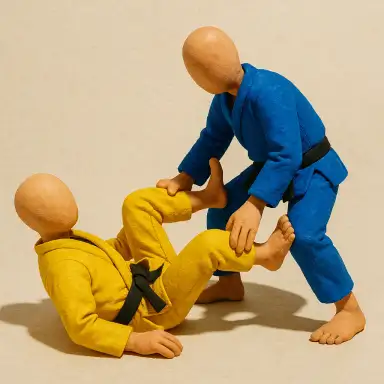 Guard Pass
Any technique used to move past the opponent's guard to reach a more dominant position. This essential aspect of position advancement has numerous methods and variations.
Positions and control
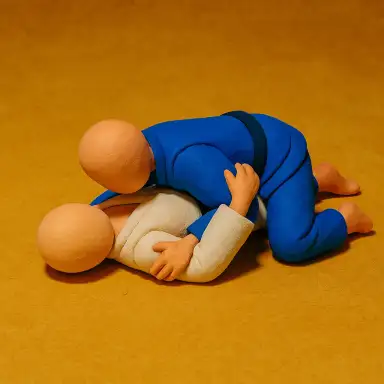 Side Control
A dominant top position where the practitioner controls the opponent from their side, pinning the shoulder and hip. This position allows for various submissions and transitions to other dominant positions.
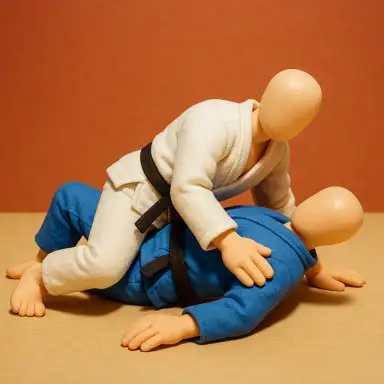 Mount
A dominant position where the top player sits on the opponent's torso with their knees controlling the arms. From here the top player can attempt submissions.
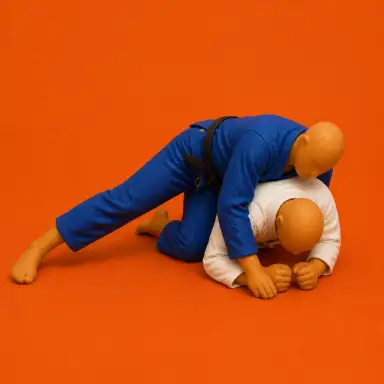 Back Take
The process of transitioning to an opponent's back, considered one of the most dominant positions in BJJ. It allows for strong control and submission opportunities like rear naked chokes.
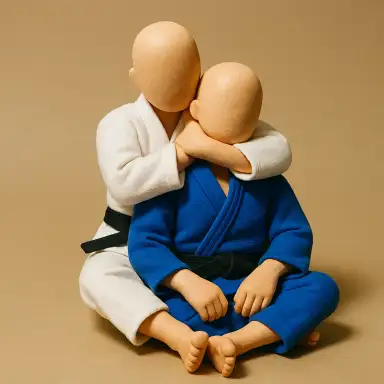 Back Control
The most dominant position in jiu-jitsu. The attacker holds the back position and can apply submissions while the defender has limited visibility and defensive options.
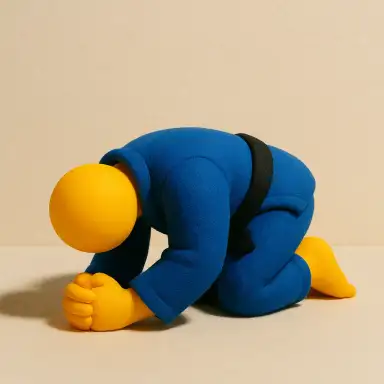 Turtle
A defensive position where a practitioner is on hands and knees, protecting themselves by tucking their limbs close to their body. This temporary defensive posture is used to prevent further attacks when in a disadvantageous position.
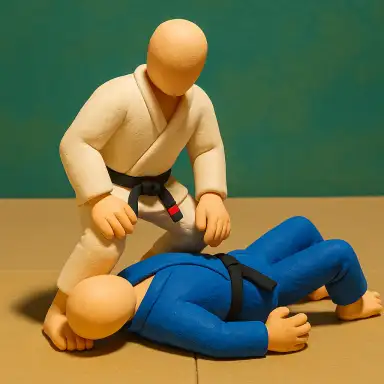 Knee On Belly
A dominant position where one knee is placed on the opponent's torso while maintaining balance. It allows for strong control and transitions to submissions or other positions.
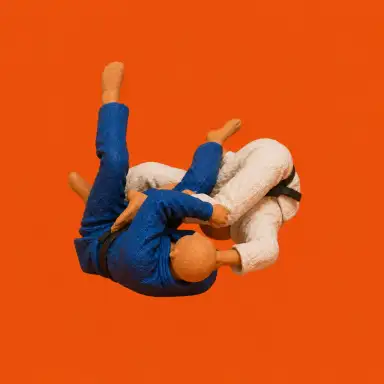 Berimbolo
An inverted rolling technique used to take the opponent's back. This modern technique developed in Brazilian competition uses complex leg movements and inverting to end up in a dominant back position, particularly effective from De La Riva guard.
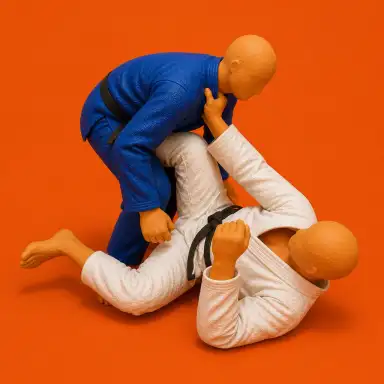 Headquarters Position
A guard passing control position where the top player pins and separates the opponent's legs while staying balanced. It serves as a hub for knee cuts, leg weaves, long steps, and pressure passes.
- Arm Drag
A grip and angle-creation technique that pulls the opponent's arm across their centerline. It is used from standing, seated guard, and butterfly guard to expose the back or enter takedowns.
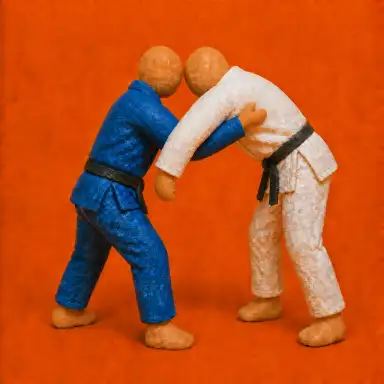 Under Hook
A grip where the practitioner's arm is positioned under the opponent's armpit, providing control and leverage. It is crucial for escapes, positional advancements, and takedown setups.
- Front Headlock
A control position around the opponent's head and arm from the front. It connects directly to guillotines, darce chokes, anaconda chokes, back takes, and snap-down attacks.
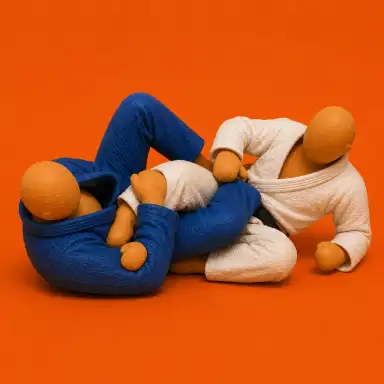 Fifty Fifty Position
A symmetric position where both practitioners have equal control over each other's leg. This complex position often leads to leg attacks from both participants.
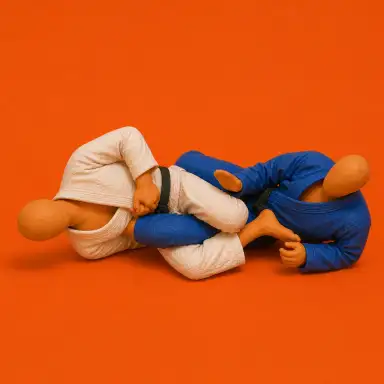 Ashi Garami
A leg entanglement position used to control and isolate the opponent's leg. It is a foundation for straight ankle locks, heel hooks, and transitions into stronger leg attack positions.
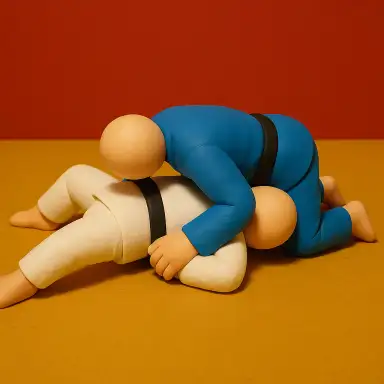 North South Position
A dominant top position where the practitioner positions their head over the opponent's belly with chest-to-chest contact. This controlling position provides unique submission opportunities.
- Saddle Position
A dominant leg entanglement that traps both of the opponent's legs while isolating one leg for attacks. It is strongly associated with inside heel hooks and leg lock control.
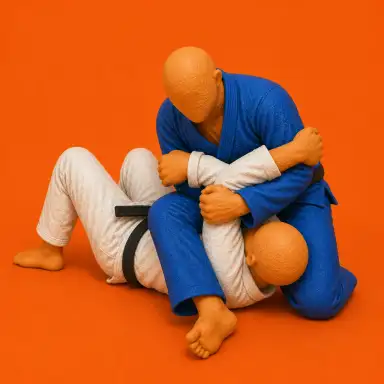 S Mount
A variation of mount where one knee is positioned near the opponent's head and the other leg hooks around their body. It offers excellent control and submission opportunities like armbars.
- Truck
A hip control position used to expose the back, attack twister-style submissions, or enter leg-control sequences. It is often reached from scrambles, turtle, or rolling back-take systems.
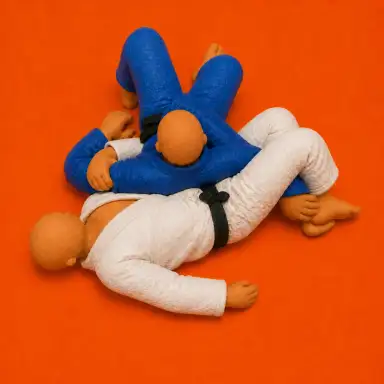 Crucifix
A dominant position where the practitioner immobilizes both of the opponent's arms using their legs and arms. This allows for submissions like chokes or armlocks.
- Body Lock
A grappling technique used to control an opponent's upper body by wrapping your arms around their torso. It is effective for takedowns, guard passes, and maintaining positional control.
- Cross Collar Control
A grip on the opponent's opposite-side collar, used for controlling posture and setting up chokes or transitions in gi-based training.
- Outside Ashi Garami
A leg entanglement where the attacker's legs control the opponent's leg from the outside line. It is a common platform for straight ankle locks, heel hooks, and leg control transitions.
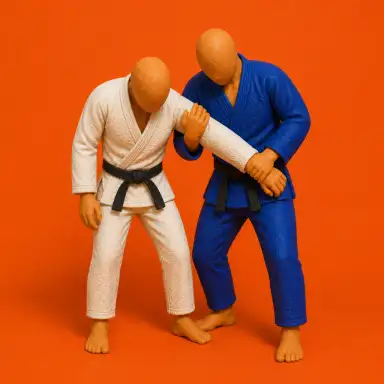 Two On One
A control tie where both hands control one of the opponent's arms. It is used for grip fighting, arm drags, takedown entries, and back exposure.
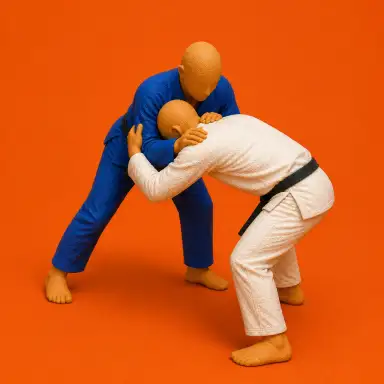 Snap Down
A standing or kneeling attack that pulls the opponent's head and posture downward. It creates openings for front headlock control, guillotines, back takes, and go-behind transitions.
- Straight Collar Control
A grip on one side of the opponent's collar, providing direct control over their posture. It is often used in gi-based setups for submissions or positional advancements.
- Crab Ride
A transitional position where hooks are placed behind the opponent's knees to elevate their hips. It is often used to take the back or set up sweeps and passes.
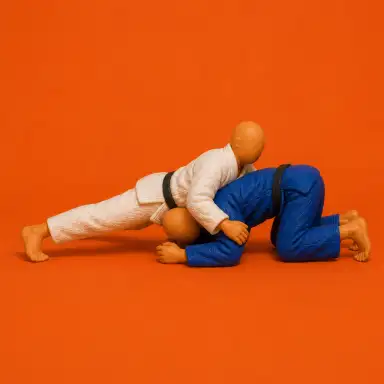 Sprawl
A defensive technique used to counter takedown attempts by driving your hips downward and backward. It prevents the opponent from securing your legs while transitioning into a dominant position.
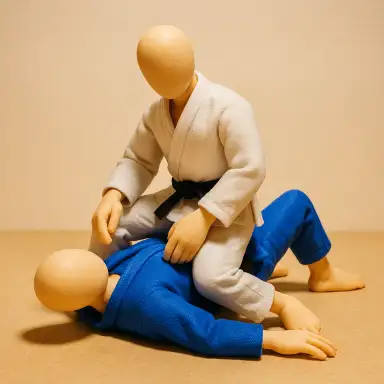 High Mount
A dominant mount position where the practitioner controls the opponent's chest, making escapes difficult while setting up submissions like armbars or chokes.
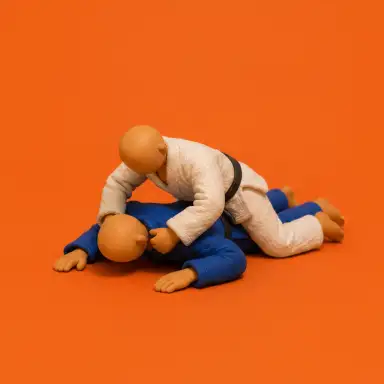 Back Mount
Back mount, with the attacker's chest against the opponent's back and legs wrapped around the waist or hips. This position provides control for rear naked chokes and other submissions.
- Honey Hole
This is a leg entanglement position that provides excellent control over an opponent's leg. It is commonly used to set up heel hooks and other leg locks.
- Backside 50/50
A rotated 50/50-style leg entanglement used to expose heel hook entries and maintain leg control from an inverted or backside angle.
- Inside Ashi Garami
A leg entanglement where the attacker controls the opponent's leg from the inside line. It connects to inside heel hooks, saddle entries, and other advanced leg lock attacks.
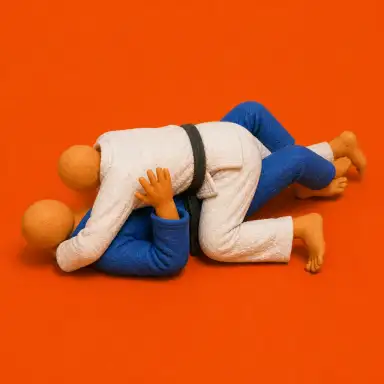 Lockdown
A variation of half guard where the bottom player uses their legs to trap the opponent's leg tightly. This position slows down the top player and sets up sweeps or submissions.
 Seat Belt Grip
A back control grip where one arm wraps over the opponent's shoulder and the other under their armpit, locking at their chest. This grip provides strong control for submissions like rear naked chokes.
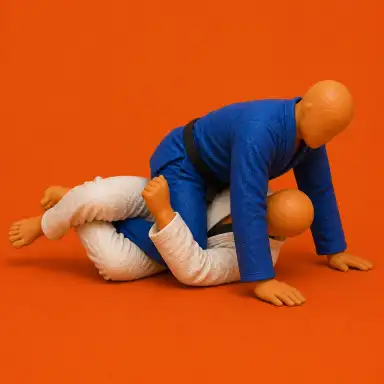 Three Quarter Mount
A transitional position where the top player's leg is trapped by the opponent, preventing a full mount. It requires careful control to avoid losing position or being swept.
 Escape
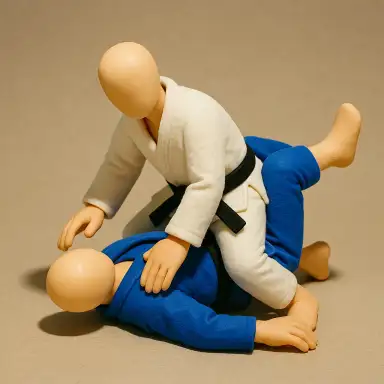
Techniques used to get out of disadvantageous positions. These crucial survival skills help avoid attacks and transition to better positions.
- Foot Work
The precise use of foot positioning and movement to maintain balance, execute sweeps, or improve transitions during grappling exchanges.
- Entry
The method or process of initiating a specific technique or position. This important technical element is the first step toward successful attacks or defenses.
Submissions
 Kimura
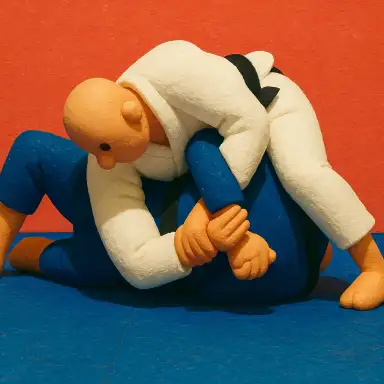
A shoulder lock that rotates the opponent's shoulder internally. The technique involves a figure-four grip to control the wrist while applying rotational pressure to the shoulder joint.
 Omoplata
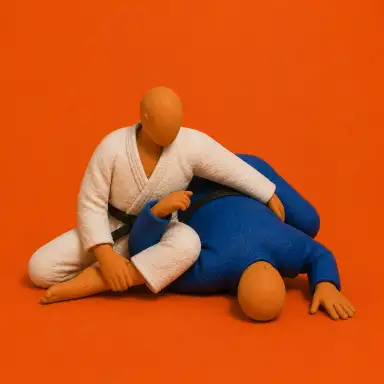
A shoulder lock that uses the legs to apply pressure to the opponent's shoulder joint. The technique involves trapping the opponent's arm between your legs and rotating their shoulder.
 Armbar
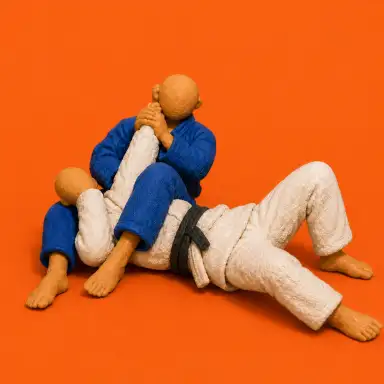
A joint lock that hyperextends the opponent's elbow joint. The technique involves isolating the arm and using the hips to create leverage against the joint.
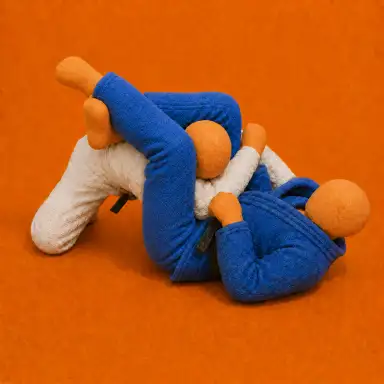 Triangle Choke
A chokehold that uses the legs to form a triangle around the opponent's neck and one arm. This effective blood choke cuts off blood flow to the brain by compressing the carotid arteries.
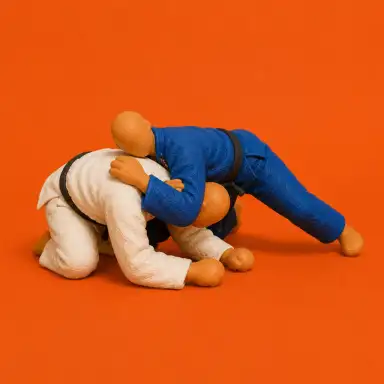 Darce Choke
A variation of the arm triangle applied by wrapping the arm around the opponent's neck and arm from the front. This effective choke is often used during guard passing or wrestling scrambles.
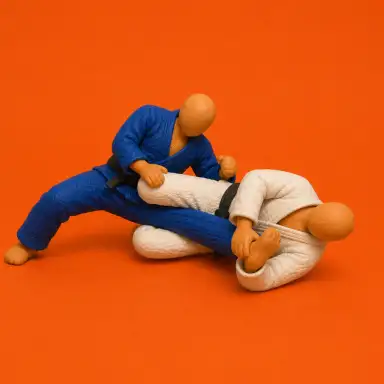 Knee Bar
A joint lock that hyperextends the opponent's knee. The technique involves isolating the leg and using the hips to create leverage against the knee joint.
- Guillotine Choke
A front chokehold where the practitioner wraps their arm around the opponent's neck and squeezes. Often used as a counter to takedown attempts, this technique can quickly force a submission.
- Straight Ankle Lock
A foot lock that applies pressure to the ankle joint by hyperextending it. This relatively safe leg attack is often one of the first leg submissions taught to beginners.
- Bow And Arrow Choke
A collar choke applied from the back position using the collar and leg control. One of the most effective submissions from back control with a high success rate.
- Heel Hook
A leg lock that twists the heel to put pressure on the knee. This advanced and potentially dangerous technique targets the knee ligaments and is often restricted or prohibited in many competitions due to high injury risk. Proper control and application are essential for safety.
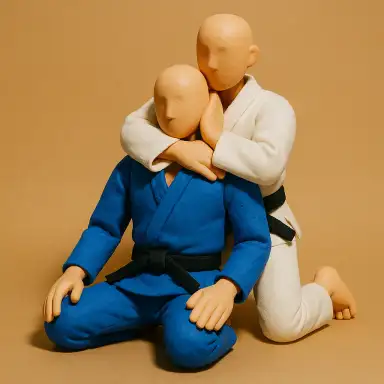 Rear Naked Choke
A choke applied from back control, with one arm wrapped around the opponent's neck. It is one of the most common submissions in jiu-jitsu and MMA.
- Toe Hold
A foot lock where the practitioner grabs the opponent's foot and twists to apply pressure to the ankle. This effective leg submission applies twisting pressure to both the ankle and knee.
 Loop Choke
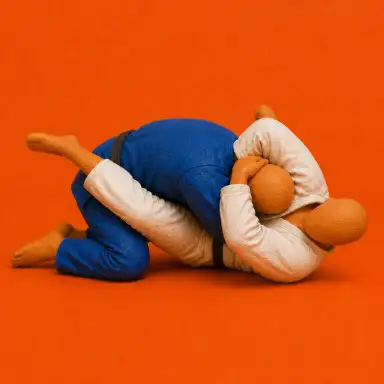
A collar choke applied by wrapping the gi collar around the opponent's neck. This submission can be applied quickly when the opponent lowers their posture.
- Inside Heel Hook
A leg lock that twists the foot outward while applying rotational pressure on the knee joint. It is highly effective but also carries a high risk of injury.
 Arm Triangle
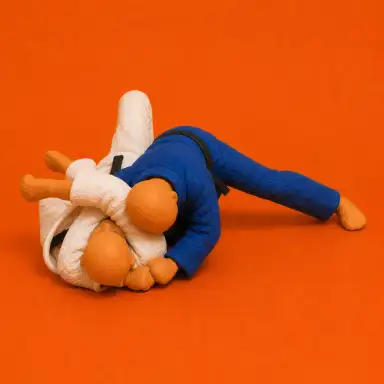
A chokehold that uses the opponent's arm and the practitioner's arm to compress the neck. This versatile submission can be applied from various top positions.
- Cross Collar Choke
A gi choke that uses crossed collar grips to compress both sides of the opponent's neck. It is commonly attacked from closed guard, mount, and other collar-control positions.
- Foot Lock
A submission targeting the ankle or foot by applying pressure to hyperextend or twist the joint. Common variations include straight ankle locks and toe holds.
- Wrist Lock
A joint lock that applies pressure to the opponent's wrist joint. This small joint manipulation requires precision but can be applied from many positions for a quick submission.
 Ezekiel Choke
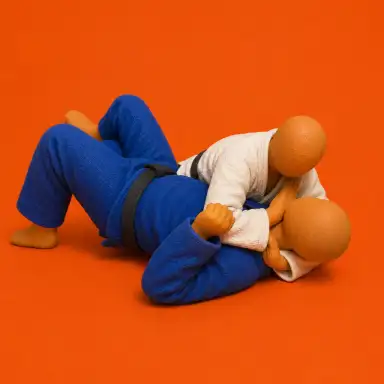
A choke that uses the attacker's own forearm and sleeve grip to compress the opponent's neck. In the gi, the hand grips inside the opposite sleeve; in no-gi, the attacker grips their own wrist or forearm instead. It can be applied from mount, back, side control, and even from inside the opponent's guard.
- Banana Split
A groin and hip stretch submission where the opponent's legs are forced apart in opposite directions. It is commonly entered from the truck, twister side control, or by attacking the legs of a turtled opponent.
 Baseball Bat Choke
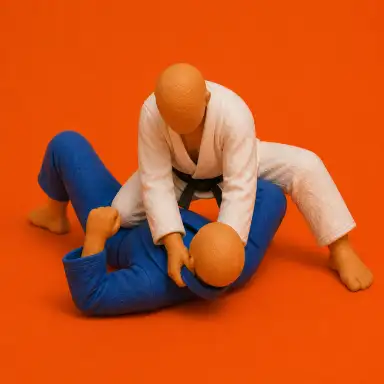
A cross-collar choke where both hands grip the opponent's collar in a baseball bat grip formation. This powerful submission can be applied from both top and bottom positions.
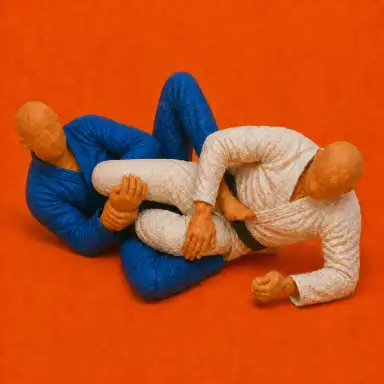 Calf Slicer
A compression lock targeting the calf muscle by trapping it between your shin and forearm. This technique creates intense pressure on the muscle and knee joint.
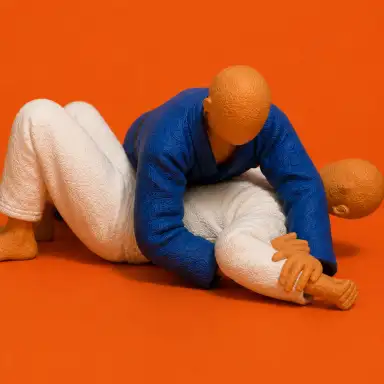 Americana
A shoulder lock that rotates the opponent's shoulder externally. Commonly applied from side control or mount, this joint lock uses a figure-four grip to create leverage against the shoulder.
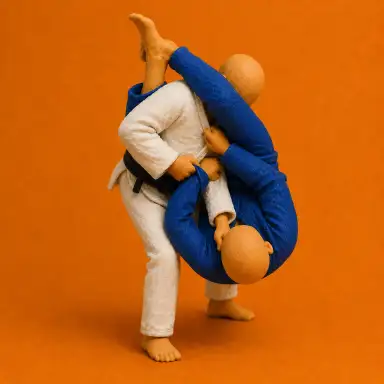 Flying Armbar
A jumping armbar entry from standing. The attacker isolates an arm, jumps into position, and uses body rotation to bring the opponent down into the submission.
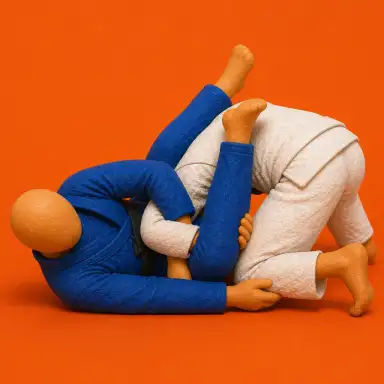 Tarikoplata
A shoulder lock variation related to the kimura family. It uses a leg-and-arm frame to isolate the opponent's arm and apply rotational pressure to the shoulder.
- Anaconda Choke
A form of arm triangle where the practitioner wraps their arm around the opponent's neck and arm. Most effectively applied when the opponent is in turtle position.
- Baratoplata
A shoulder lock submission that combines elements of an omoplata and armbar. It is executed by trapping the opponent's arm with your legs and applying pressure on their shoulder.
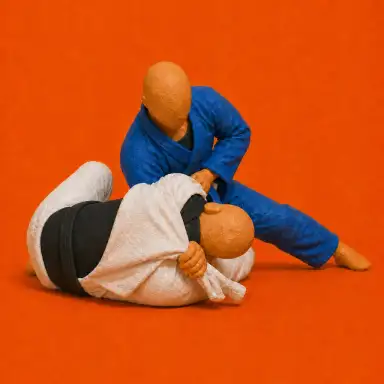 Brabo Choke
An arm-triangle style choke that wraps around the opponent's neck and trapped arm. It is often attacked from front headlock, half guard, or top pressure positions.
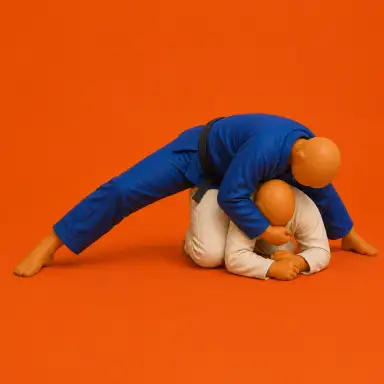 Clock Choke
A lapel choke performed when the opponent is in turtle position. The practitioner grips the collar and walks their legs around like clock hands to tighten the choke and apply pressure.
- Gogoplata
A submission that uses the shin bone to compress the opponent's throat. This advanced technique requires significant flexibility and is executed from bottom positions.
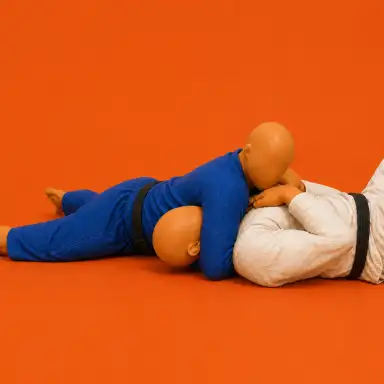 North South Choke
A neck choke applied from the north-south position. The attacker wraps an arm around the opponent's neck and uses chest pressure and hip positioning to close the space, with arm-in variations also used.
- Buggy Choke
A relatively new and unconventional submission applied from bottom positions like side control or mount. It utilizes a modified triangle configuration with the arms to create pressure on the opponent's neck while in an otherwise disadvantageous position.
- Canto Choke
A gi choke that uses the opponent's lapel, fed across the neck, to constrict the neck. It can be applied from top positions like side control, and is also commonly set up from guard and half guard. It combines leverage with lapel control for a tight finish.
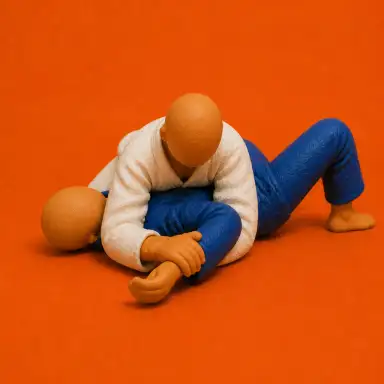 Key Lock
Also known as Americana, it is a shoulder lock where the practitioner isolates the arm and applies pressure by rotating it outward. It is commonly executed from side control or mount.
- Twister
A spinal lock submission that twists the opponent's upper body in the opposite direction of their lower body. It is a rare but highly effective submission.
- Aoki Lock
A foot lock variation named after MMA fighter Shinya Aoki. It targets the ankle with rotational pressure, combining elements of a straight ankle lock and toe hold.
- Estima Lock
A foot lock that compresses and twists the opponent's foot while controlling the leg. It is commonly attacked from guard exchanges, leg entanglements, and 50/50-style positions.
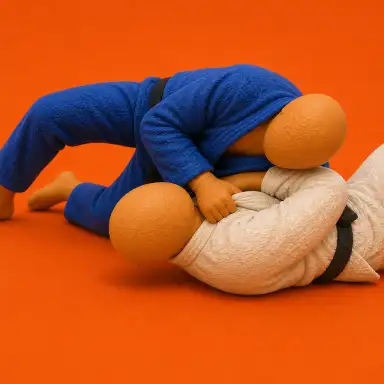 Paper Cutter Choke
A gi choke usually applied from side control using one collar grip and shoulder pressure. The finishing motion cuts across the neck while the top player keeps the opponent pinned.
- Peruvian Necktie
A front headlock choke that uses the arms around the neck and a leg over the opponent's back or head. The finish combines neck compression with strong downward body pressure.
- Z Lock
A knee lock that applies sideways pressure to the opponent's knee by folding their leg into a Z shape. It is commonly entered from leg entanglements such as 50/50, single leg X, saddle, and diagonal ashi garami.
- Bicep Slicer
A compression lock that applies pressure to the bicep by trapping it between your forearm and shin. This submission can cause significant pain and damage if not released quickly.
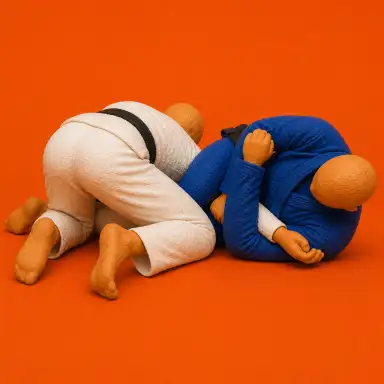 Choi Bar
A submission technique developed by Yongwon Choi that combines precision mechanics to isolate and submit an opponent's arm. It can be executed from various positions, including guard and top control.
- Outside Heel Hook
A variation of the heel hook where rotational pressure is applied outward on the knee joint. Like its inside counterpart, it is extremely effective but must be used with caution.
- Von Flue Choke
A counter choke usually applied from side control when the opponent holds a guillotine grip. The attacker uses shoulder pressure and head position to compress the opponent's neck.
- Coyote Armbar
An armbar attacked from coyote half guard, where the bottom player uses the underhook and their leg position to isolate the opponent's arm and swing into the armbar. The setup became widely known through the coyote half guard game popularized by Mica Galvão.
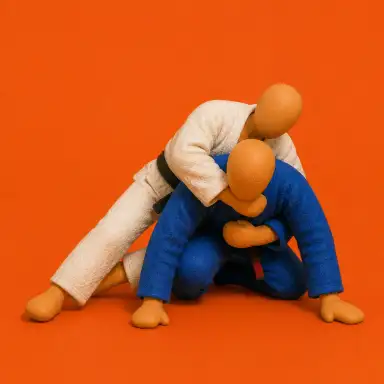 Choke
Any technique that restricts blood flow or air to force a submission. These techniques are among the most effective submissions as they work regardless of the opponent's size or strength.
- Counter
A responsive technique that uses the opponent's attack to create an advantage. These reactive techniques turn the opponent's movements against them.
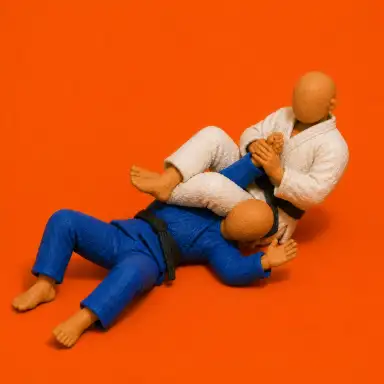 Submission
Any technique designed to force the opponent to submit by applying joint locks or chokes. These finishing techniques are the primary goal in jiu-jitsu, including various categories such as chokes and joint locks (armbars, leg locks).