When planning an aurora trip, you will often hear that spring and fall—especially the weeks around the equinoxes—are good times to see the northern lights. Is that simply because the nights are long enough, or does solar activity become unusually strong on the equinox itself?
The short answer is that the equinox is not a guaranteed aurora night. It is closer to the center of a seasonal viewing window when geomagnetic activity is statistically more common. The September 2026 equinox occurs at 00:05 UTC on September 23. At major aurora destinations, that falls on the afternoon or evening of September 22 in Alaska and Canada, and after midnight on September 23 in Iceland and northern Europe. Plan around the surrounding weeks, not one date on the calendar.
The equinox is a viewing window, not a single night
NASA identifies March and September as statistically favorable months for aurora viewing. Geomagnetic indices show a semiannual pattern: activity tends to be higher around spring and fall and lower near the solstices. Researchers have studied several mechanisms behind this pattern, including the Russell–McPherron effect, the equinoctial effect related to Earth's magnetic-axis tilt, and seasonal changes in ionospheric conductivity.
A more accurate explanation than “the equinox creates auroras” is that the seasonal geometry can create more opportunities for the same solar wind to couple efficiently with Earth's magnetosphere. If no meaningful solar-wind disturbance arrives, or its magnetic field points the wrong way, the sky can remain quiet even on the equinox.
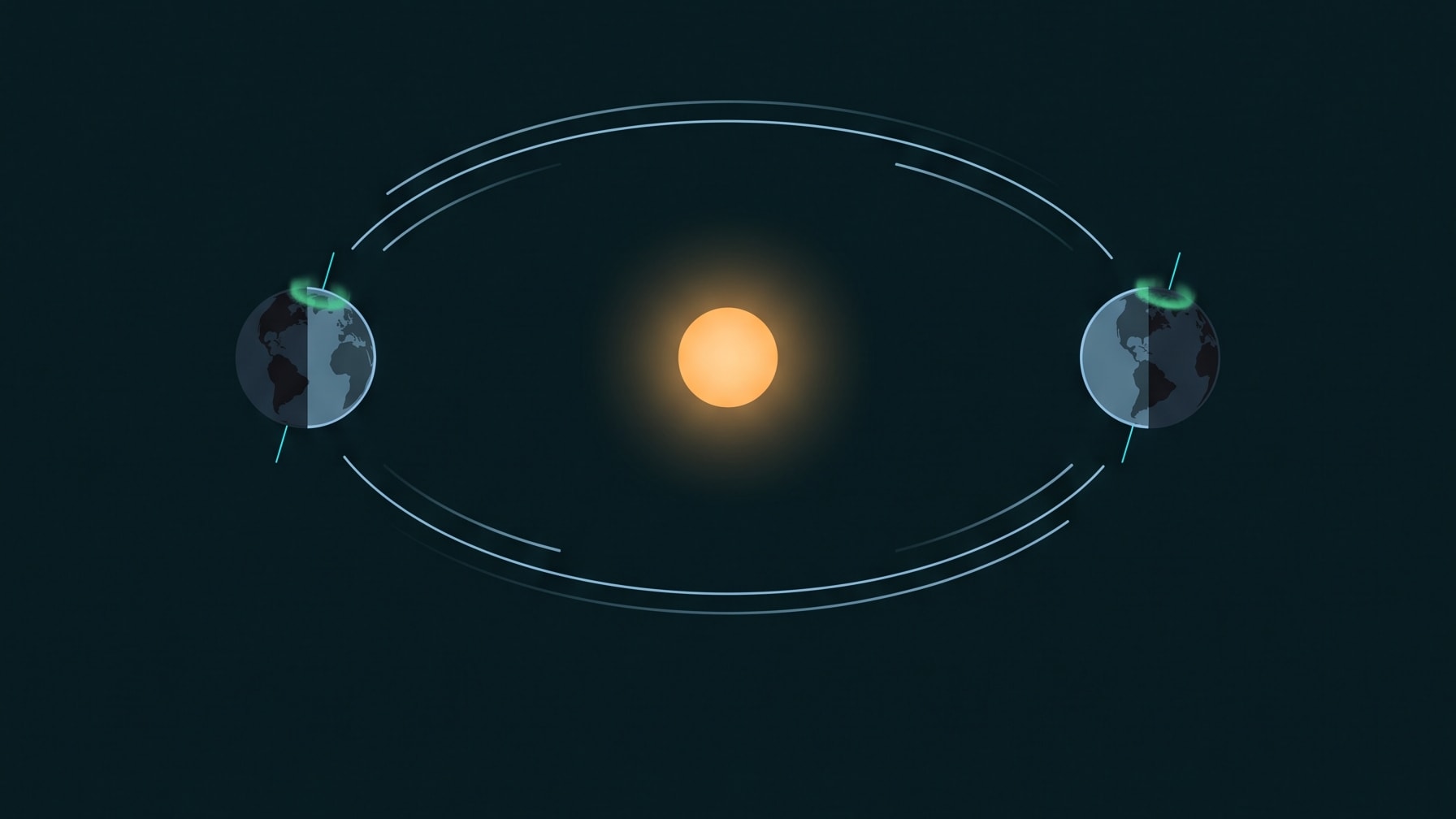
This diagram explains the seasonal geometry. The sizes, distances, and orbital eccentricity are not shown to scale.
The direction of the solar wind's magnetic field matters
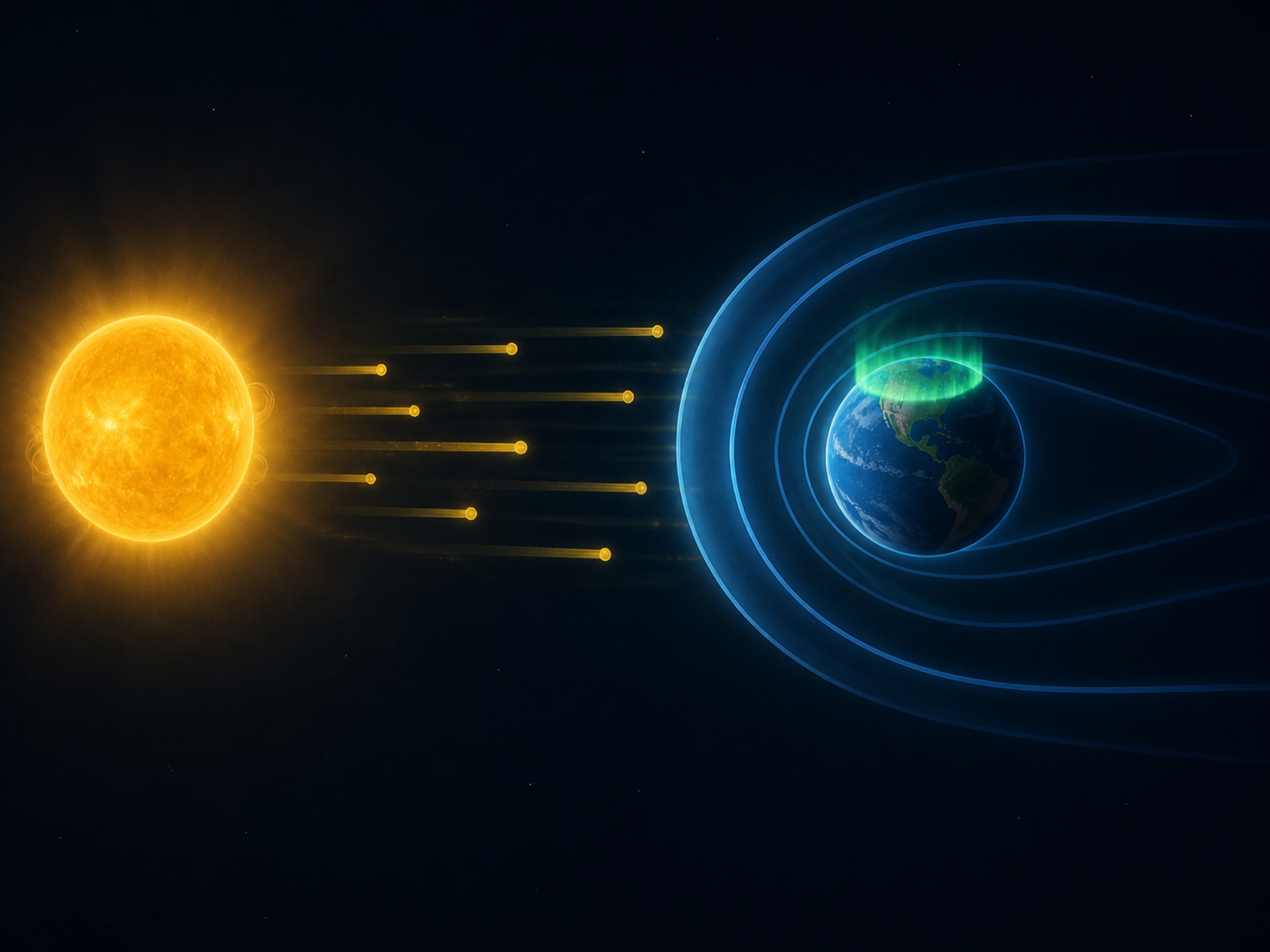
The Sun continuously releases charged particles and magnetic fields in the solar wind. The magnetic field carried by that wind is called the interplanetary magnetic field, or IMF. When the IMF opposes the magnetic field on Earth's dayside, magnetic reconnection can transfer solar-wind energy and material into the magnetosphere more efficiently.
This is why aurora forecasts pay close attention to Bz. When Bz stays negative—or southward—for long enough, conditions become more favorable for energy to enter at the dayside magnetopause. Energy later released from the magnetotail can brighten the polar auroral oval or expand it toward lower latitudes.
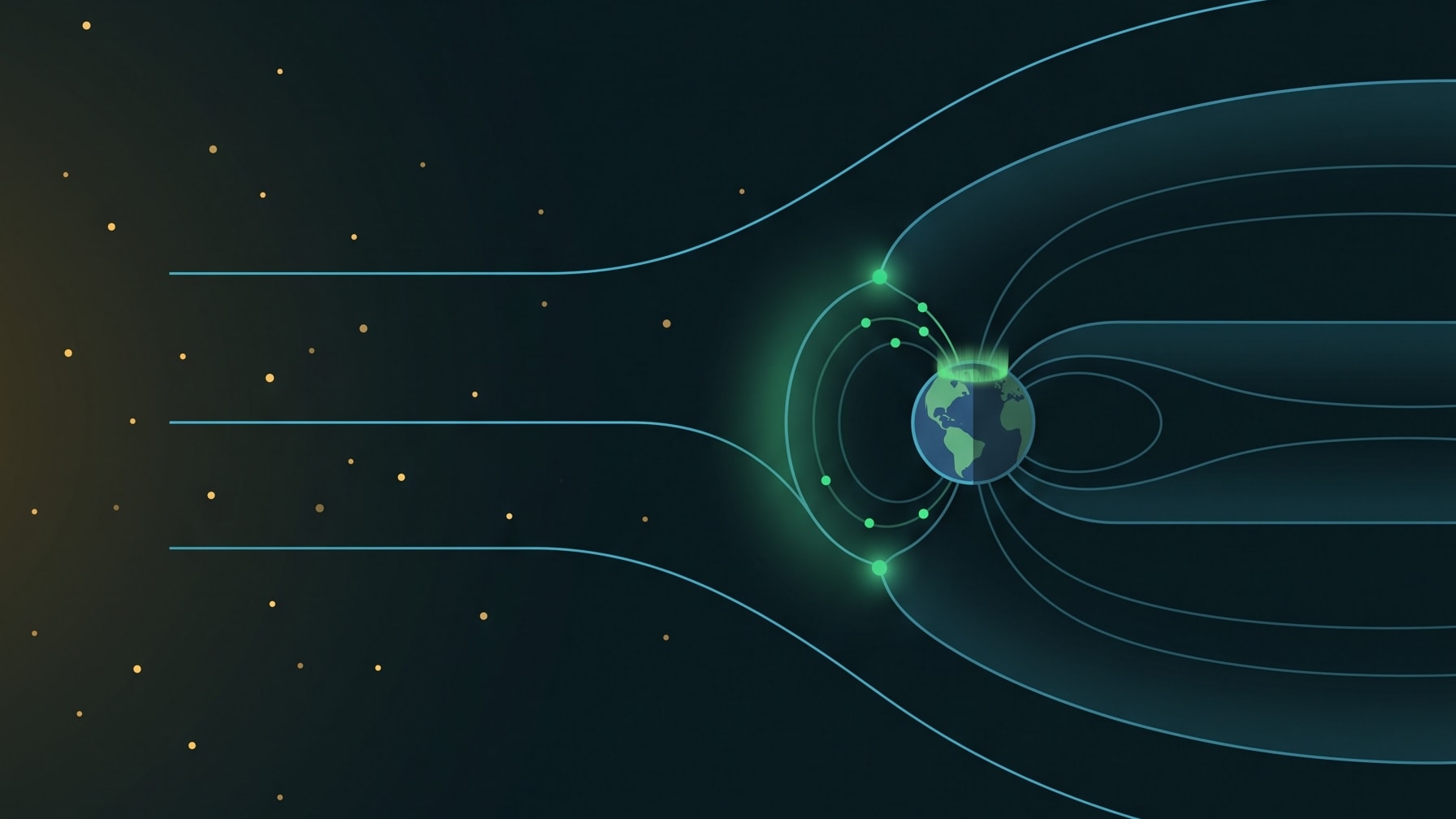
The Russell–McPherron effect in plain language
The Sun's rotation stretches its magnetic field into a spiral through space. As Earth moves around the Sun, it meets that spiral geometry differently across the seasons. The Russell–McPherron effect describes how part of the IMF's east–west component can project southward in magnetospheric coordinates, with that projection becoming more favorable for particular magnetic-field sectors around the equinoxes.
A stronger southward component favors magnetic reconnection and solar-wind energy input. This is one leading explanation for increased geomagnetic activity in March and September. It is not the only explanation, however. Earth's magnetic-axis orientation and seasonal ionospheric conductivity may also contribute, so the Russell–McPherron effect should not be treated as a complete explanation by itself.
Fall darkness is a separate advantage
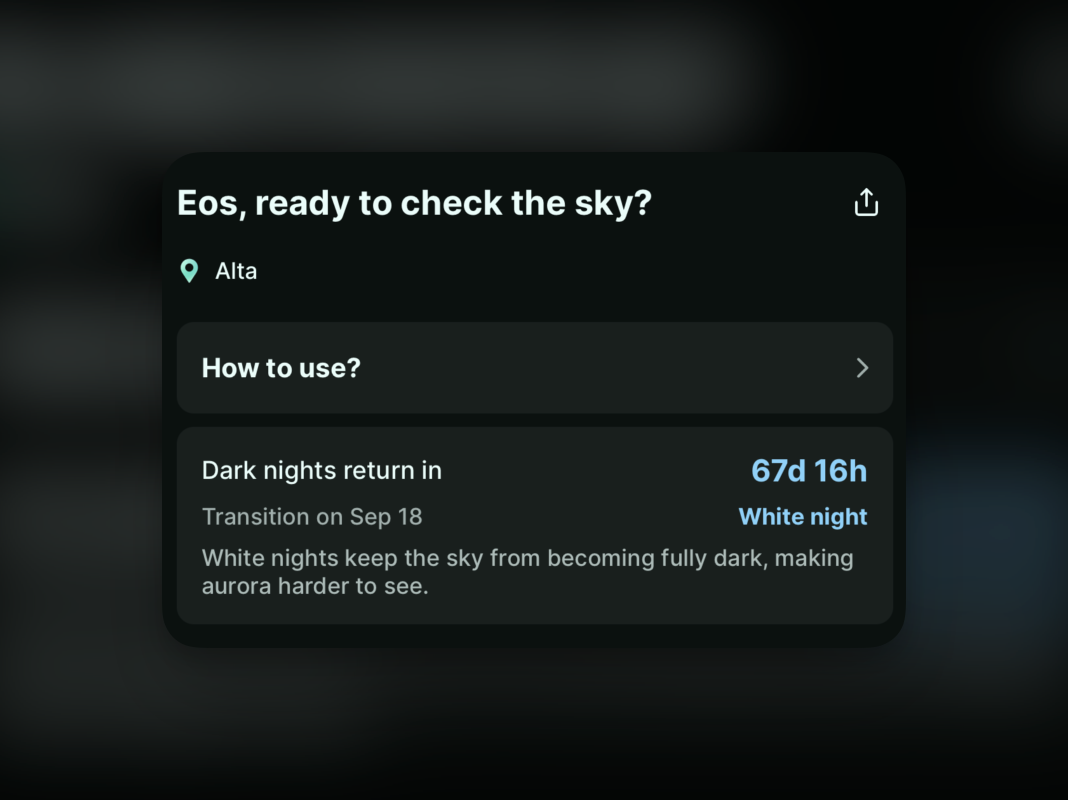
During the Arctic summer, auroras can occur while the sky remains too bright to see them. By September, darkness returns quickly at high latitudes. Fall therefore combines a seasonal rise in geomagnetic activity with more genuinely dark observing hours. These advantages have different physical causes, but they work together for an observer.
The equinox still does not solve every part of the forecast. A visible aurora requires several conditions to line up at the same time:
- Enough geomagnetic activity to affect your latitude
- Sustained southward Bz and suitable solar-wind speed
- An auroral oval visible from your location
- A sufficiently dark, mostly clear sky
- A safe observing location with little city or moonlight
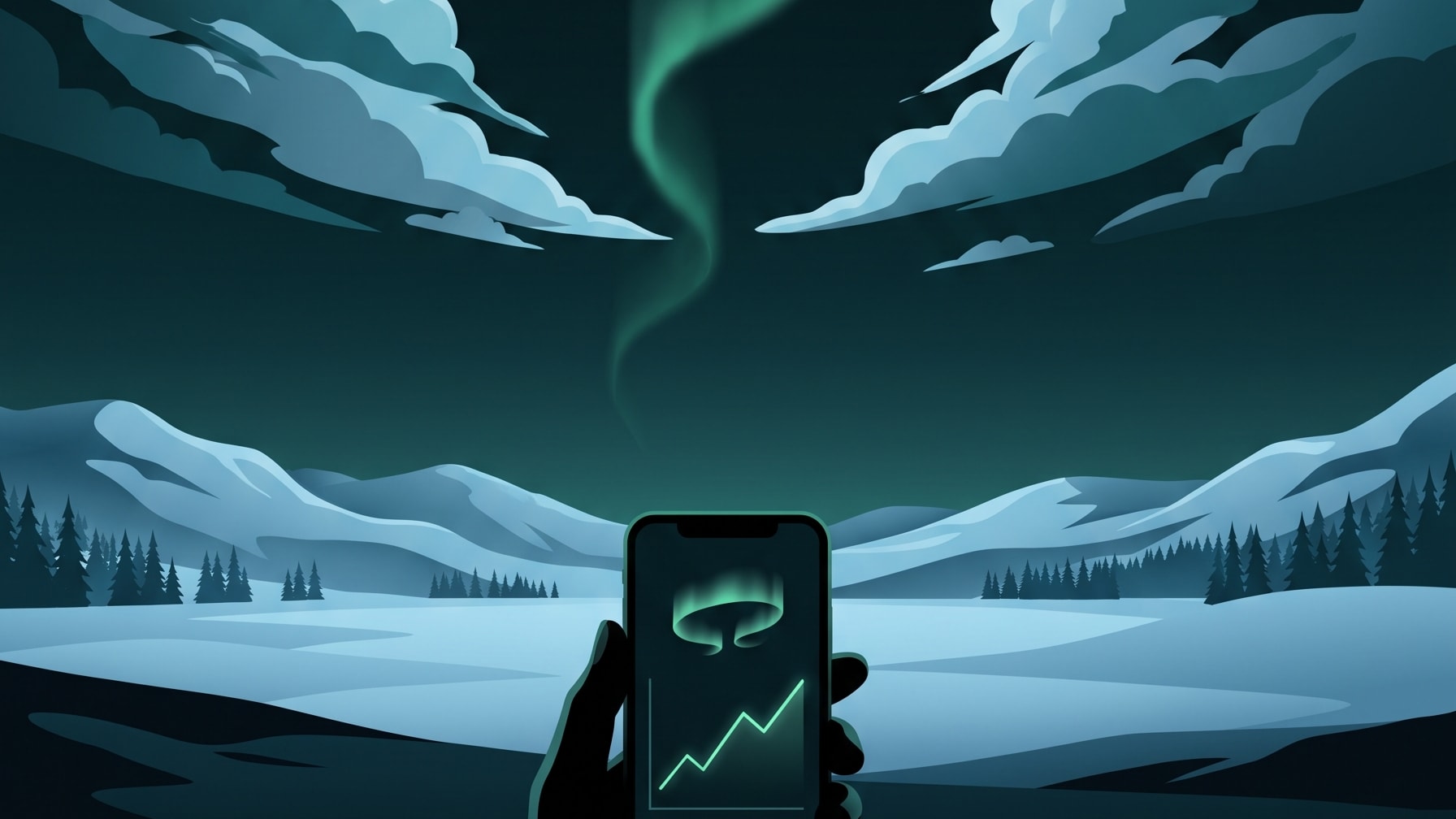
What to prepare one month before the equinox
1. Choose your viewing area and northern horizon
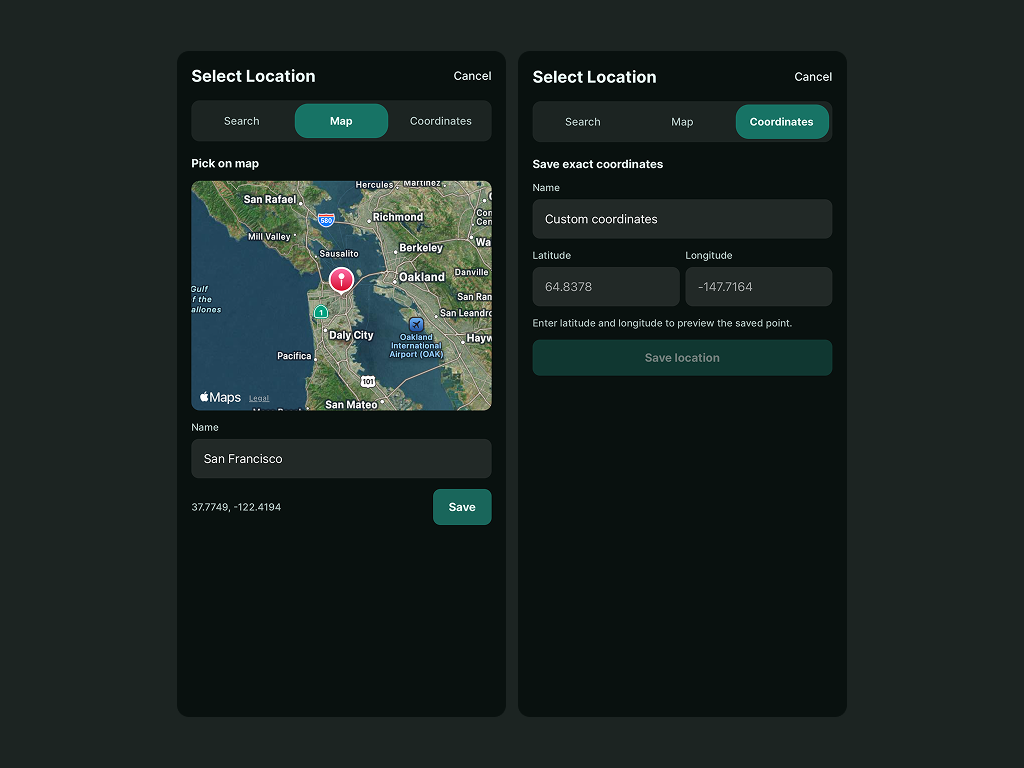
Unless the storm is strong, observers at Northern Hemisphere mid-latitudes may see the aurora low on the northern horizon. Save a few dark locations with an open view to the north. A safe site whose parking and access route you can inspect in daylight is better than an unfamiliar remote location found after dark.
2. Give long-range forecasts and live data different jobs
A month ahead, use the 27-day outlook, moonlight, and local hours of darkness to identify promising weeks. From three days out, compare Kp and G-scale forecasts with cloud cover. On the day itself, watch live solar-wind speed, Bz, and the auroral oval together. No long-range outlook can guarantee an aurora on one particular night.
3. Keep more than one night available
You improve your odds by keeping several nights open around the equinox instead of reserving only the date itself. Clouds can hide a strong display, while a clear night can coincide with quiet solar wind. For a dedicated trip, allow at least two viewing nights and have more than one direction you can drive locally.
When is the September 2026 equinox at aurora hotspots?
The September 2026 equinox occurs at 00:05 UTC on September 23. That same astronomical instant appears at these local times in major aurora destinations:
- Fairbanks, Alaska: September 22 at 4:05 p.m. AKDT
- Yellowknife, Canada: September 22 at 6:05 p.m. MDT
- Reykjavík, Iceland: September 23 at 12:05 a.m. GMT
- Tromsø, Norway · Kiruna, Sweden: September 23 at 2:05 a.m. CEST
- Rovaniemi, Finland: September 23 at 3:05 a.m. EEST
These times translate one astronomical instant into local time; they do not predict that an aurora will appear at that moment. It is more useful to check forecasts repeatedly throughout September. Once dark nights return, enable alerts and compare cloud cover and moonlight whenever activity begins to rise.
Aurora Eos brings Kp forecasts, live solar wind, a 3D auroral oval, clouds and darkness, and aurora alerts into one place. The equinox is not a starting gun; it marks a season of better opportunity. Current forecasts help you choose the night when it is actually worth heading outside.
In short
Geomagnetic activity shows a semiannual pattern, with statistically higher activity around the March and September equinoxes. The Russell–McPherron effect is one leading mechanism that explains how the seasonal geometry of the solar wind and Earth's magnetic field can favor southward IMF and stronger energy coupling. In fall, the return of dark nights at high latitudes adds a separate observational advantage.
But the equinox is not a forecast. A real display still requires active solar wind, southward Bz, the right location, darkness, and clear skies. Instead of waiting for one date, choose your viewing sites now, set alerts, and leave room for several possible nights. Better odds are a reason to prepare—not a promise of a result.
References
- NASA Science — Embracing the Equinox: precise 2026 equinox times and seasonal geometry
- NASA — How Can I See the Northern Lights?: statistical viewing opportunities in March and September and practical observing conditions
- Journal of Geophysical Research — Seasonal and diurnal variation of geomagnetic activity: the Russell–McPherron effect and the semiannual pattern of geomagnetic activity
- Journal of Geophysical Research — Early Studies in Solar Wind Coupling and Substorms: the scope of the Russell–McPherron effect and other seasonal explanations
- NOAA SWPC — Aurora: the auroral oval and the basic structure of Earth's magnetosphere
- NASA's Guide to Finding and Photographing Auroras: clear skies, dark locations, and safe observing plans