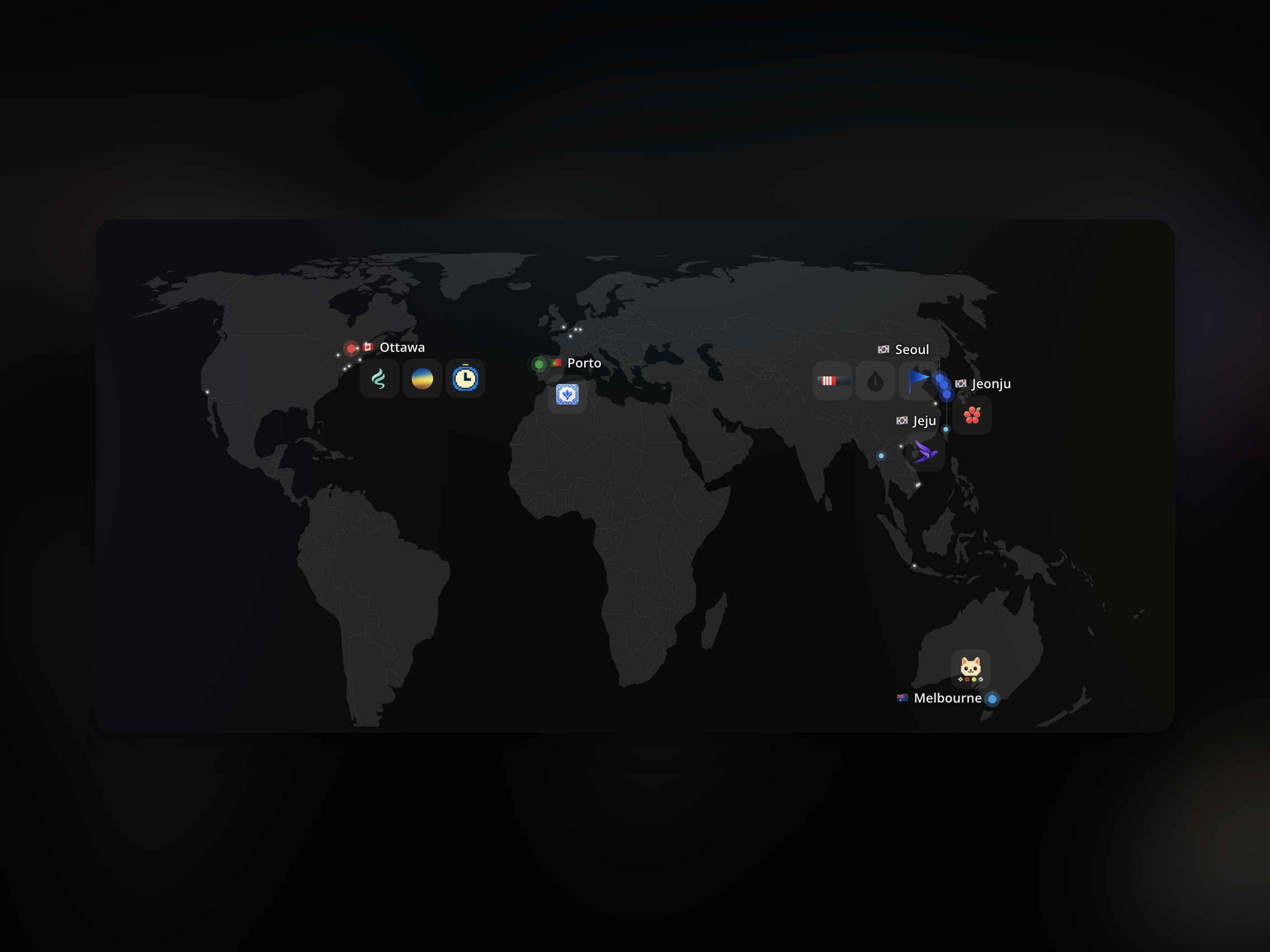
Three quarters of 2026 have passed, and it has been two years since I became a full-time indie developer. At first, I thought I could simply make the things I wanted to make. I still enjoy building things. But looking back, I’ve learned that enjoying the work and building something sustainable are two different challenges.
The First Six Months: Making Whatever I Wanted
The first six months after leaving my job were a lot of fun. I started making the things I’d wanted to build and experimenting with ideas I’d been curious about. I focused on my own interests instead of following what other people were making. I kept one main project and treated everything else as a side project, without putting too much pressure on it.
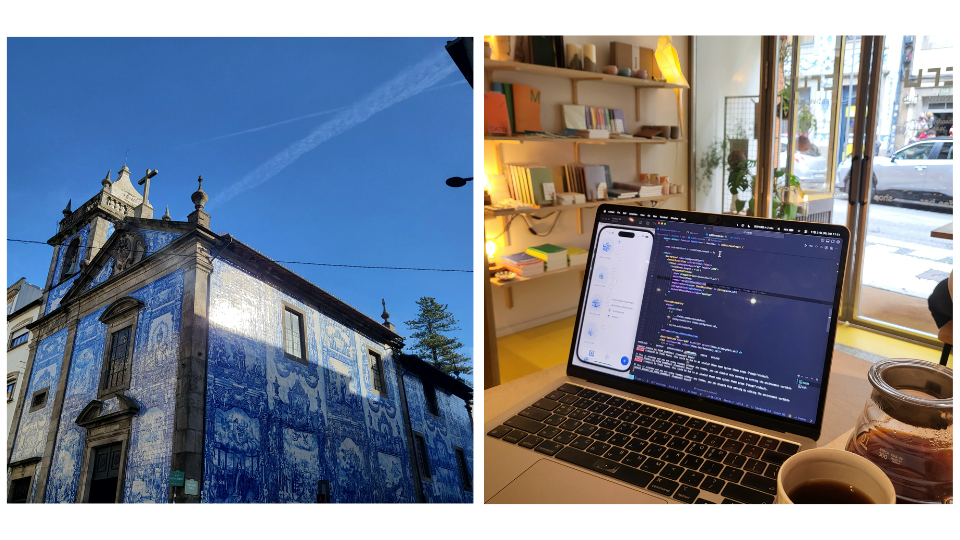
At the time, freedom itself felt like the biggest reward. Looking back, though, I probably should have treated full-time work more like a business sooner. Making things I enjoy and building a way to keep doing it need to be considered together.
What Freelance Work Taught Me
My main project was barely making any money when a former colleague reached out about freelance work. I spent a few months working as a freelance developer and couldn’t give my own project much attention. I learned how client work operates: aligning on requirements and delivering within a set schedule and budget. Development costs were higher back then, so the work was still worthwhile.
Freelancing brought in practical income and experience, but it also took time away from growing my own products. I often wonder whether I should focus on building SaaS products that can reach more people instead of continuing to take on client work. I haven’t settled on an answer, but I pay much closer attention to how my time connects to revenue.
Living the Nomad Life I’d Dreamed About in Canada
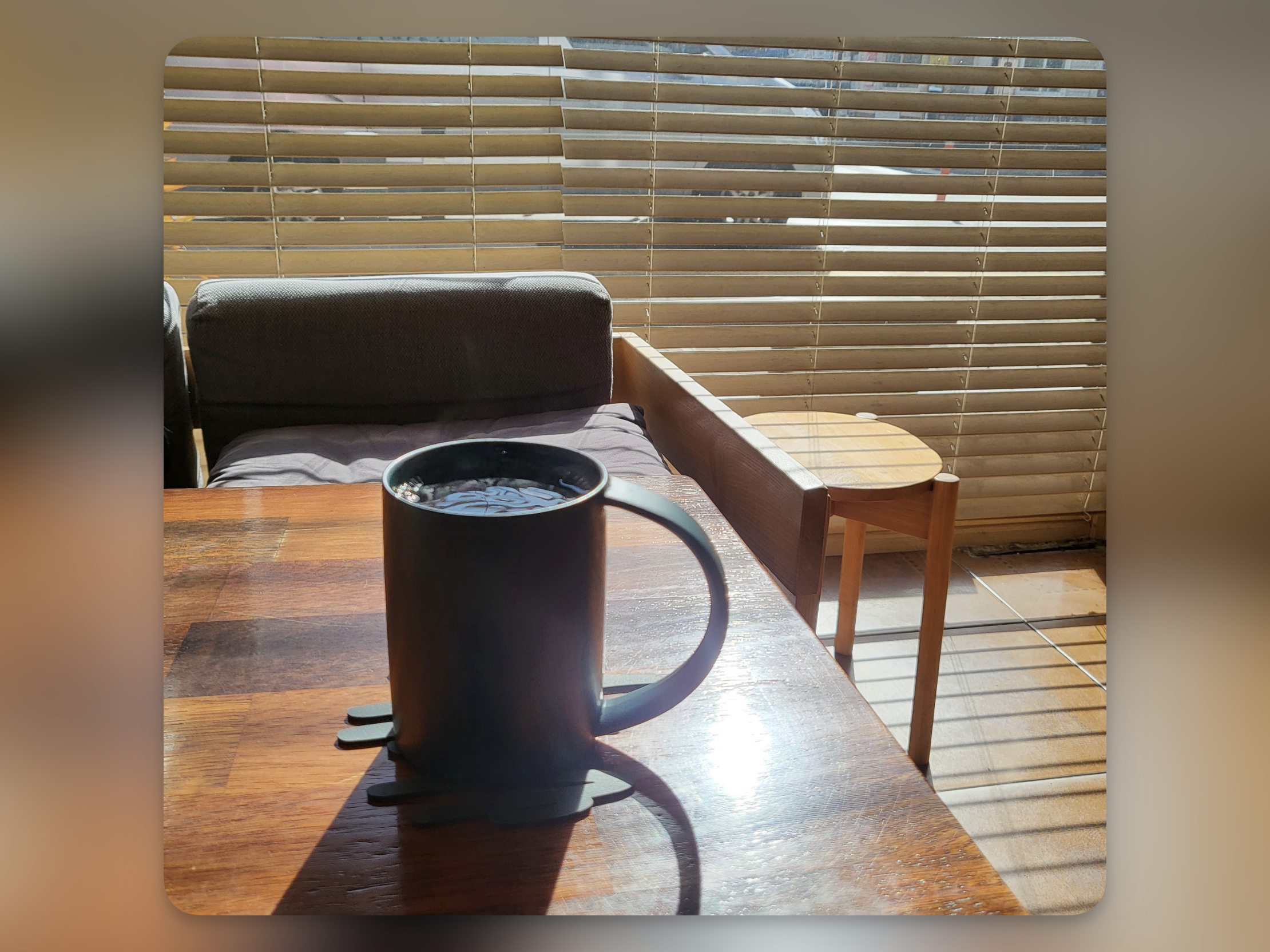
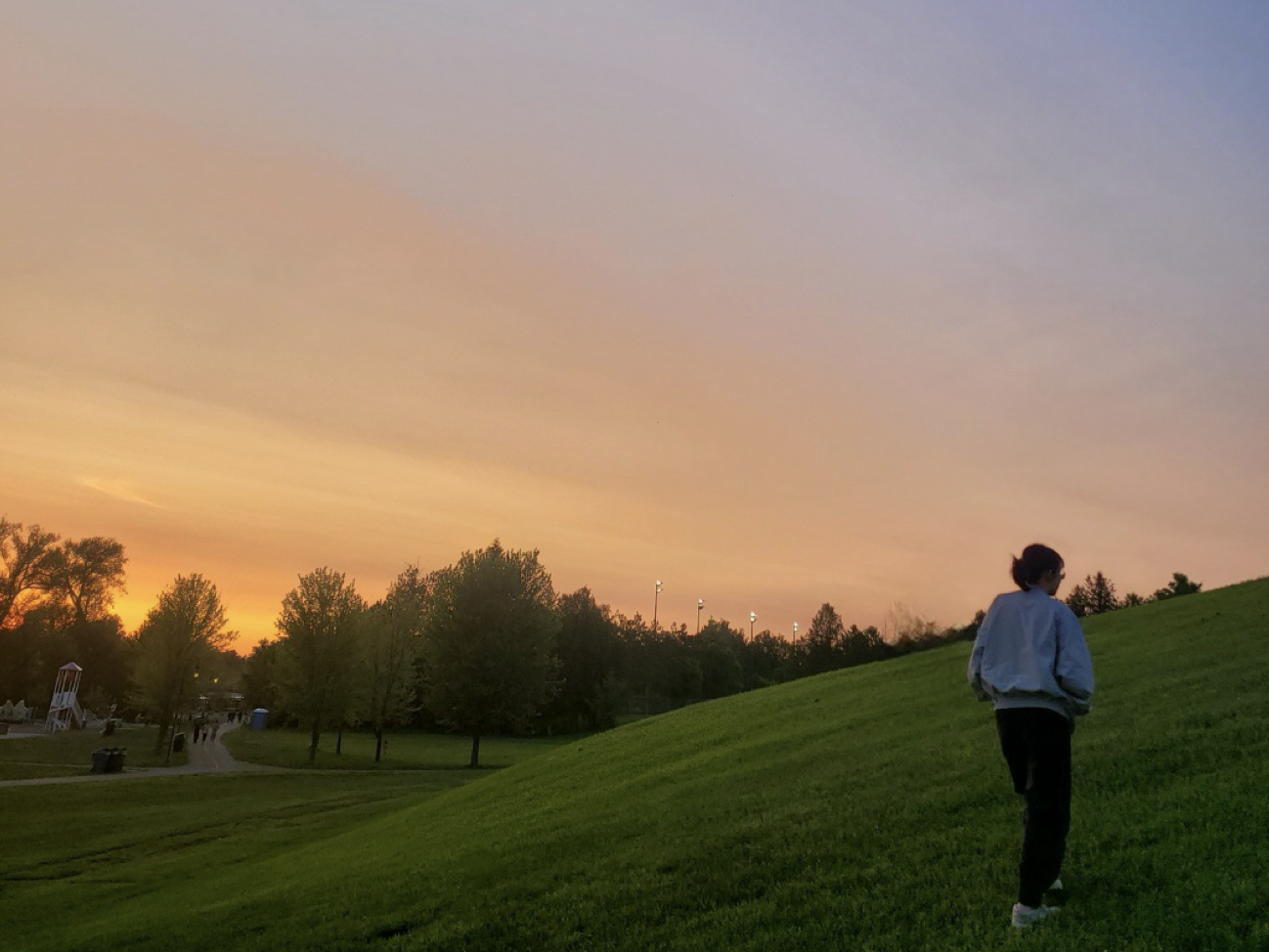
I spent five months in Canada during the summer and another two in the winter. I finally got to try the digital nomad life I’d dreamed about in North America, and I also took a two-week trip to the United States. With few friends nearby, my days followed a simple routine: home, cafe, grocery store, and a walk. I coded every day.
Everything felt new and exciting. One day, I even saw the northern lights with an app I’d built myself. A scene I’d dreamed about for years had become real, but the business numbers hadn’t changed. I learned that great experiences don’t automatically turn into revenue.

Building One App After Another While Traveling in Korea
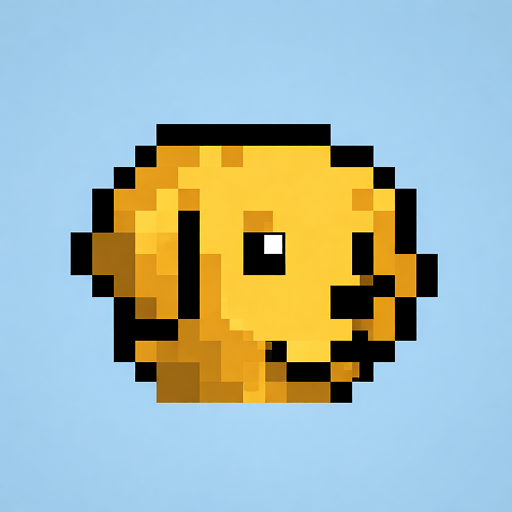
After returning to Korea, I took short digital nomad trips to Gwangju, Jeonju, Jeju Island, and Busan. Film festivals and time in nature gave me new ideas. Whenever existing apps felt limited, I started building something I wanted for my own daily life: an app for seasonal Korean foods, a way to share film festival plans with a group, and a pixel-art workout widget.
Even after building all those products, revenue didn’t grow as much as I’d hoped. So I focused on the project that was doing best and became more active on social media. Sales started to grow, but they still weren’t where I wanted them to be. I began wondering whether I should go on a working holiday next year or focus on becoming a solo founder.
From Apps I Want to Use to Apps Other People Want
I still love trying new technologies and working the way I want. But when I looked back, I noticed a problem: I kept making apps that I wanted to use myself. A product builder needs to ask more than “Do I like this?” The more important question is why someone else would need this app.
I’ve also been thinking about why my first project worked. I think it resonated with a small, specific community rather than trying to appeal to everyone. Now I’m paying closer attention to what other people are building. Switching to an iPhone has also made it easier for me to try higher-quality apps and observe how they work.
What I Want to Do in the Next Three Months
The longer I spend at home, the longer I’ve been living as a solo builder. That comfort is nice, but it can also make it easy to settle into familiar routines. Next year, I’m hoping to go to Chiang Mai or another city where digital nomads gather and recharge.
Before then, I want to spend the remaining three months of this year focusing on the people who use my apps. I’ll look more closely at the problems in the products I’ve already built and sharpen who each one is for and why they need it. I also want to use agent bots to automate the repetitive work I do, so I can spend more time understanding and improving my products.
My two years as a full-time indie developer have been a mix of freedom and trial and error. I traveled, built a lot of products, and saw the northern lights with an app I made. Now I want to go one step beyond working the way I enjoy and learn how to build products people genuinely want to keep using.
By the end of 2026, I hope I’ll have a life that feels a little more stable while still being enjoyable.