March has arrived, marking the end of the first quarter of 2024. I've been experiencing a lot of unexpected changes from what I anticipated for 2024 at the end of last year, but I've been able to seize good opportunities and have been living exciting days. Before starting fresh, I decided to spend March as a gap month, with two weeks of it overseas. If you train jiu-jitsu, you've probably dreamed of visiting a gym abroad at least once. In this article, I want to share why I came to train jiu-jitsu in Chiang Mai and my experiences from the first two days.
Before Departure
Choosing a Destination
One of the reasons I love what I do is that I can work from anywhere with just a MacBook. I've always wanted to work in an environment with minimal external dependencies, and I decided this was the perfect time to experience being a digital nomad.
When it came time to actually leave, choosing a city wasn't easy. I looked into destinations good for digital nomads. There were options like going to a resort and disconnecting from civilization or learning new things, but for this March, I decided to narrow down what I most wanted to do into two criteria and then choose.
- A good environment for building services (WiFi, workspace, etc.)
- A globally recognized gym within walking distance
Why Chiang Mai
There are many cities with affordable living costs and great coworking spaces—Bali, Budapest, Lisbon, and more. Even after narrowing down the criteria, there were too many options. I asked ChatGPT to recommend good cities to visit in March and decided on Chiang Mai, Thailand.
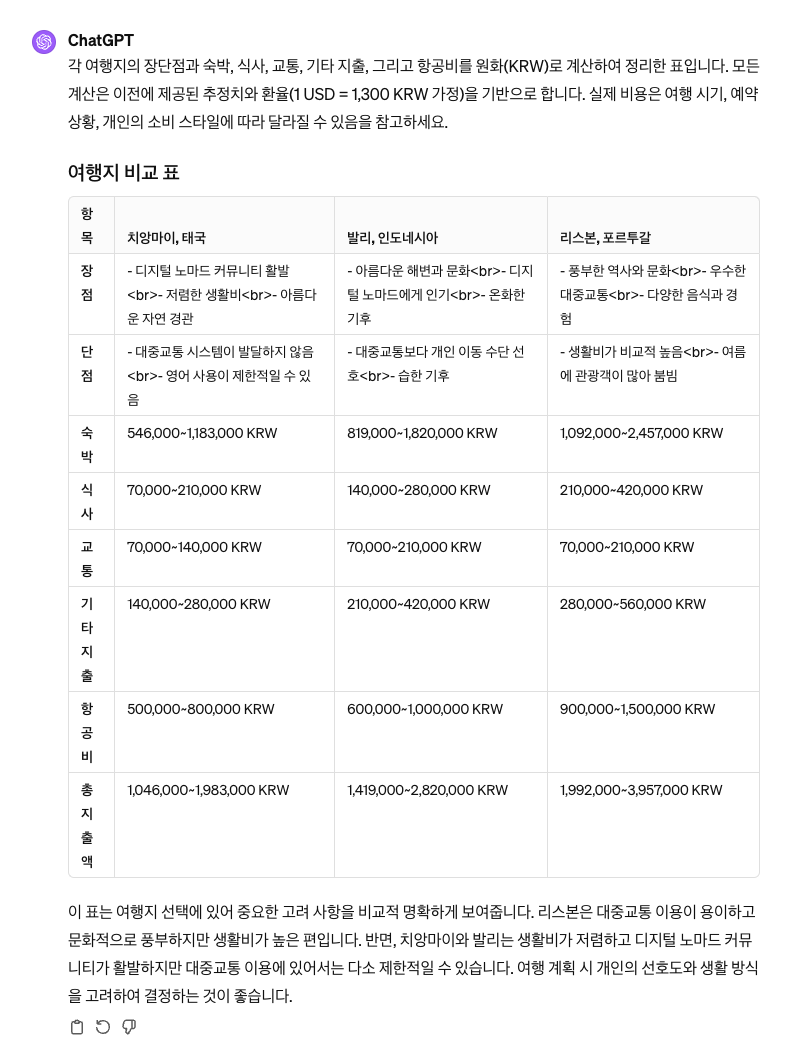
I chose Chiang Mai for three reasons: affordable living costs, plenty of cafes and coworking spaces near accommodations, and a globally operated jiu-jitsu gym within walking distance. Since the purpose of this trip was to build an app and train rather than sightsee, I thought Chiang Mai would be perfect.
After Arrival
1. Early Bird
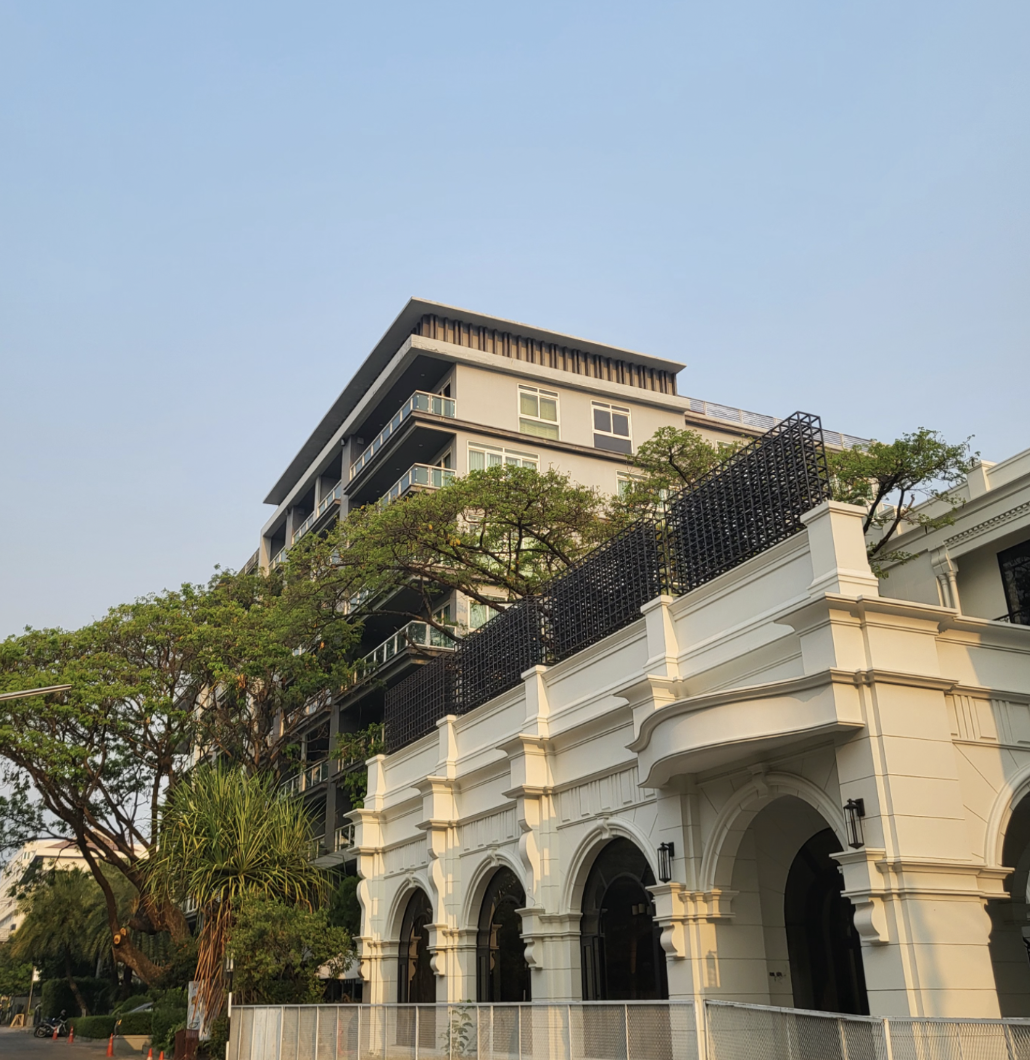
Chiang Mai is two hours behind Korea. So even if I wake up at 8 AM Korean time, it's 6 AM here, making me an early bird without even trying. I don't need to adjust to the time difference, and when I go out for breakfast, there are few people around, which is very satisfying. 😊
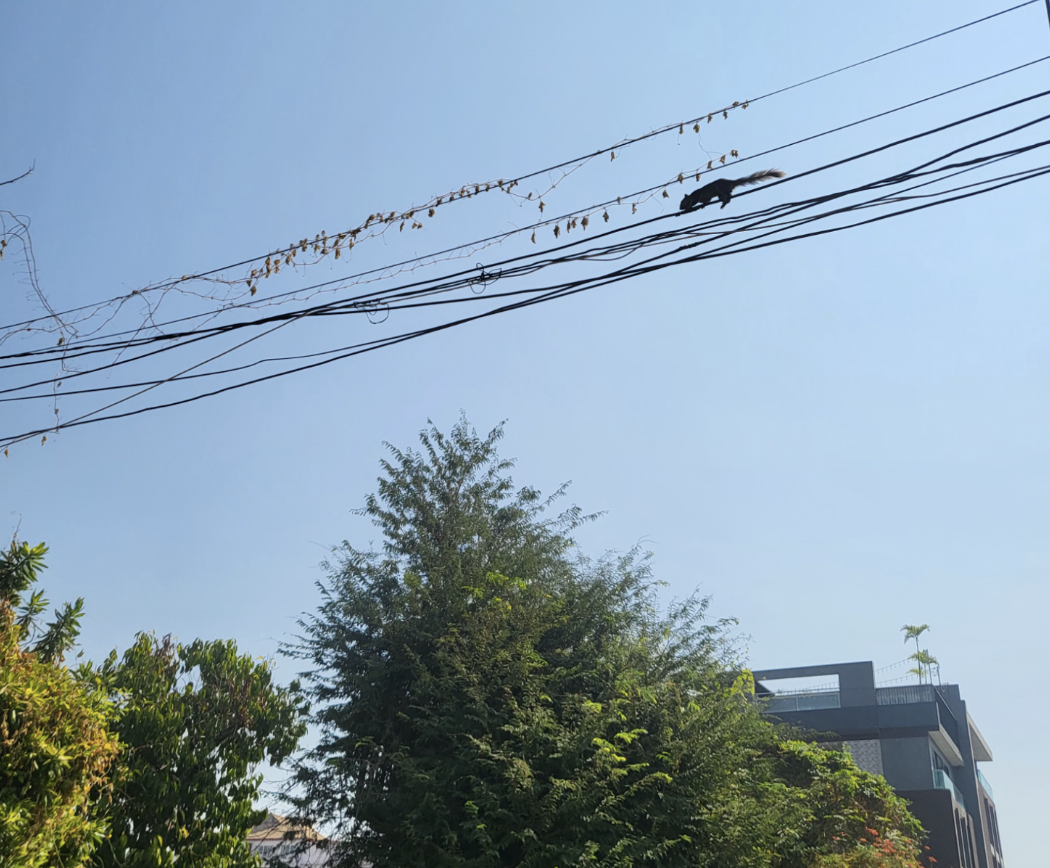
2. Preparing for the Gym
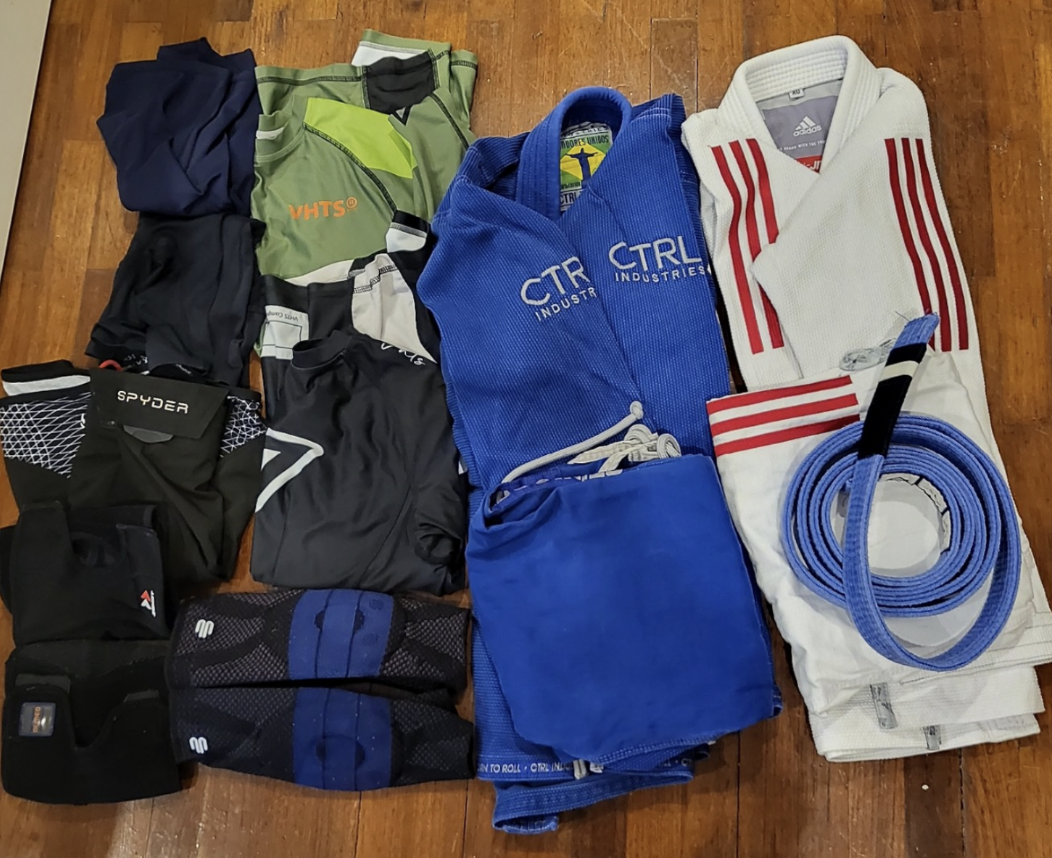
I prefer traveling light, so I use a 20-inch carry-on. But when I tried to pack my gi, one set took up an entire side of the suitcase... I learned that gis are surprisingly bulky. The gym I'm going to offers training 6 days a week, so I wanted to bring 3 gis, but I had to reluctantly leave one behind. Even so, the volume and weight were considerable, so I borrowed a lightweight gi (white Adidas) and no-gi pants from my instructor. I haven't actually tried no-gi yet, but I prepared them just in case I want to train when my gi hasn't dried. 😎
3. Pure Grappling Chiang Mai
The gym where I'll be training for 2 weeks is called Pure Grappling Chiang Mai. Their website has good information about instructors, schedules, and more. If you're planning to visit, you can check the site or contact them through the SNS links at the bottom, and they'll respond kindly.
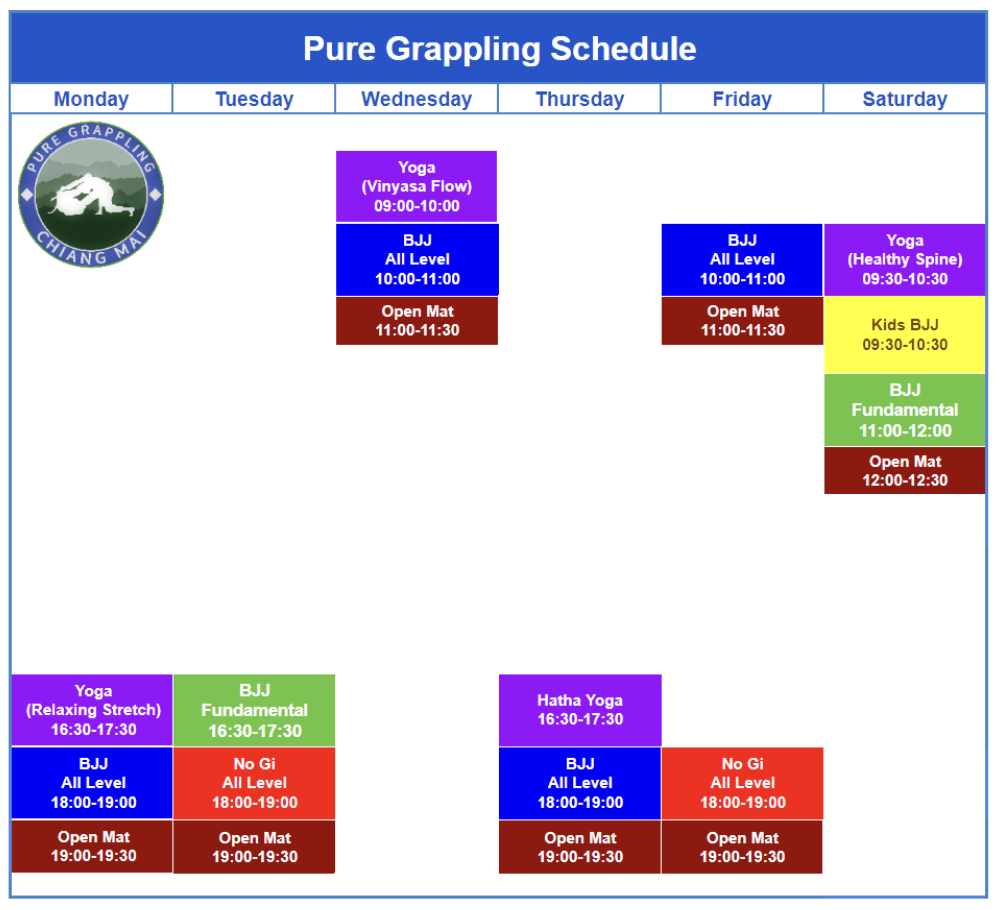
I registered for a 2-week Adult BJJ & Yoga Weekly Pass, which allows me to attend all classes on the schedule. The price is 1,200 baht per week (about 45,000 KRW), and they also offer day passes or monthly plans. They also rent gis, so if you want to travel lighter, that's an option. For yoga classes, they may be canceled if there aren't enough participants, so you should check in advance.

4. Training
First Day
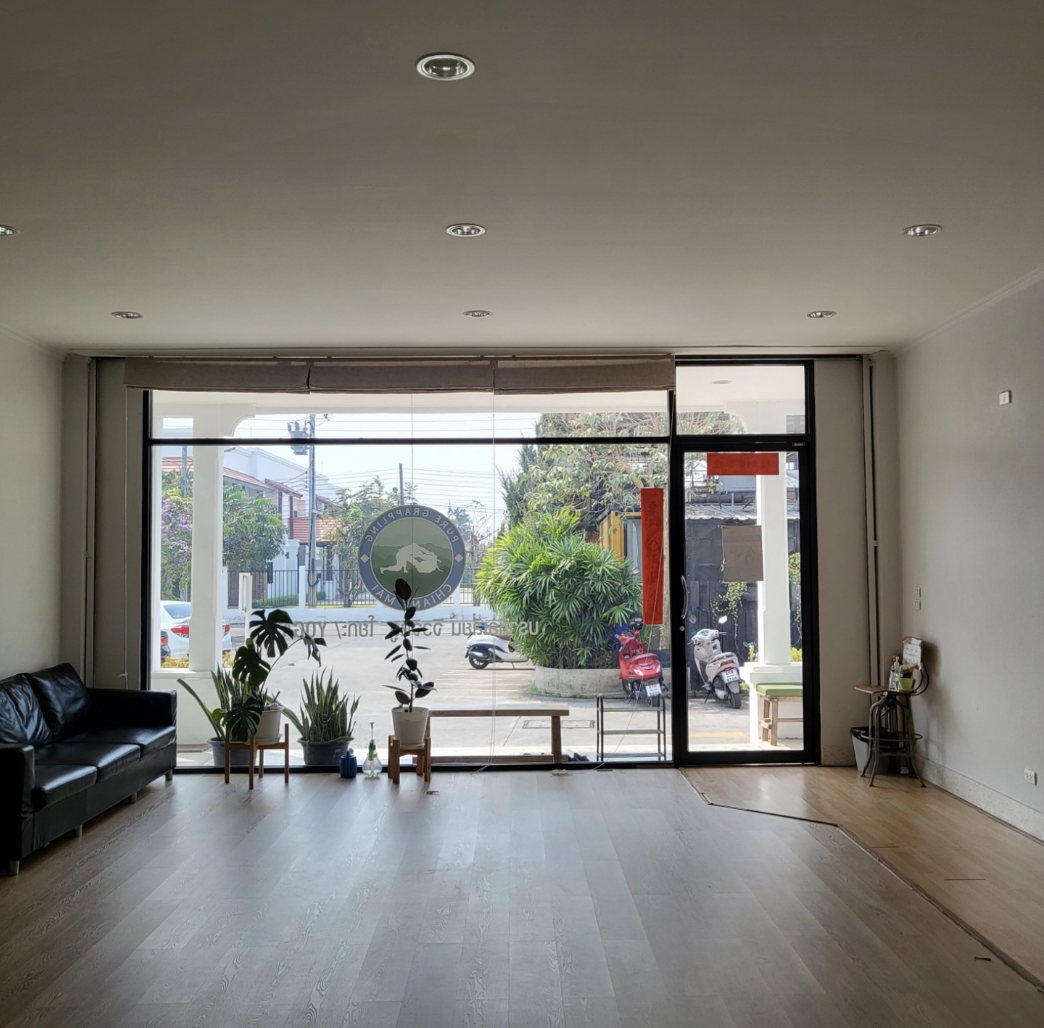
My first activity in Chiang Mai was jiu-jitsu. I went to the gym with excitement, and since it was Friday morning, there were about 3 other people besides me. I thought the mats were quite unique—the gym has two floors, and training happens on the upper floor.
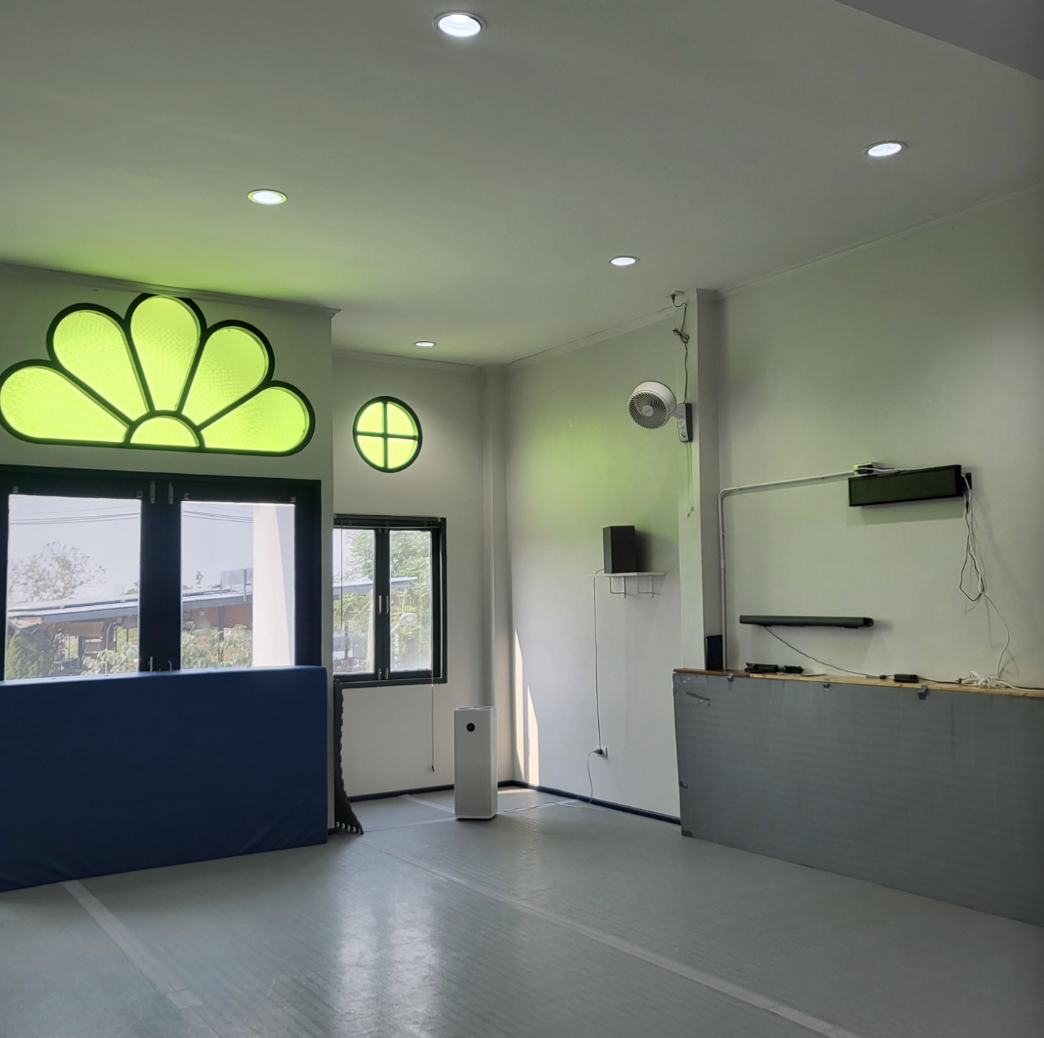
I was worried about Chiang Mai's hot weather, but there were multiple air conditioners, fans, and air purifiers, which was great. The morning class was taught by Instructor Mark. Usually, from side control, we attack the far arm with kimura or americana, but in this class, he wanted us to dig deeper into attacking the near arm. It was really interesting to learn a technique I had asked my instructor about before coming to Chiang Mai from a different perspective. I was impressed by how we could create armbars in various situations by wedging our foot under the opponent's back. He also showed us a surprise submission technique called inside americana, which I had never seen before. I thought I had watched quite a lot of jiu-jitsu technique videos, but I need to watch more. 😊
Second Day
Saturday morning class was taught by Ryan, the head instructor. The warm-up seems to vary depending on the instructor's preference. They seem to do longer stretching sessions rather than drills like shrimping. I stood at the front of the line without thinking and ended up leading the warm-up, trying to follow along with side glances at unfamiliar movements. 🥲
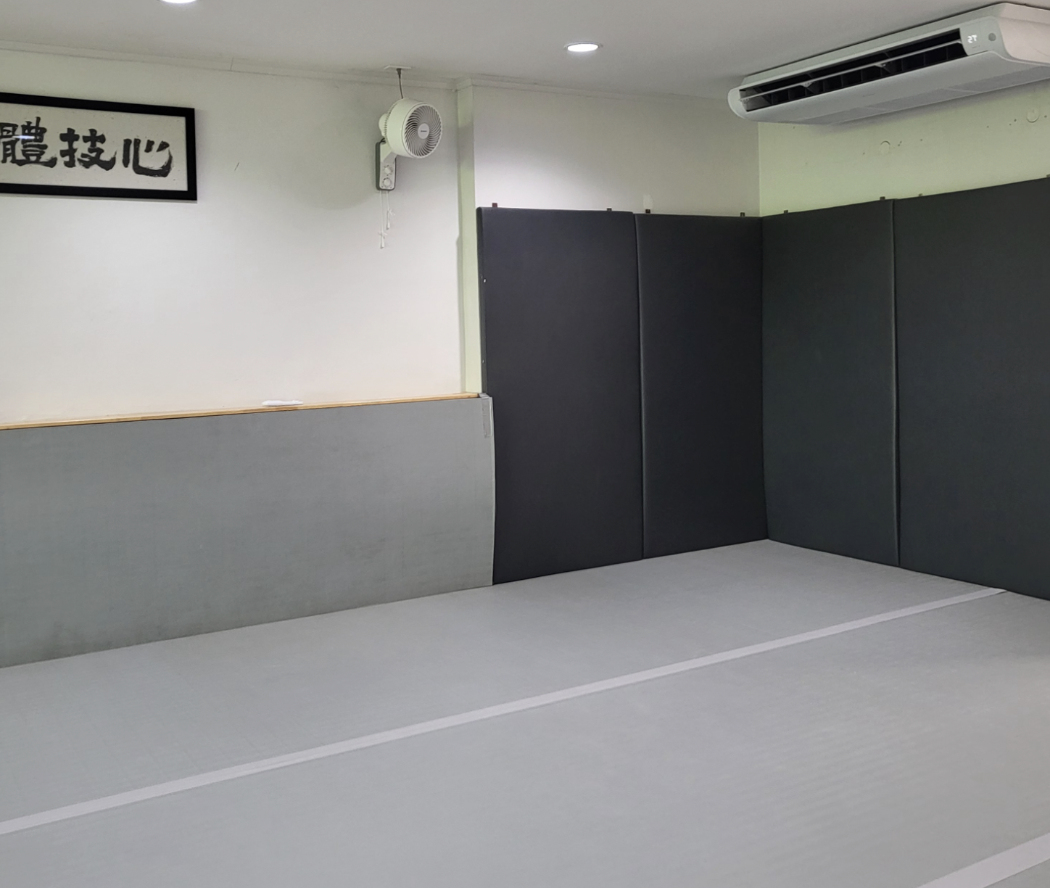
About 10 people attended this day, and it seemed like a mix of locals and visitors. Since Chiang Mai has so many digital nomads and classes are conducted in English (I'm not sure if it's always), the ratio of foreigners seems quite high. Saturday's class covered ankle picks, dela hiva knee cut passes, then connecting to armbars and reverse triangles. Standing techniques and the headquarter position, which I don't usually use, came up, and I broke a sweat. Listening to class in English and trying to remember everything was mentally exhausting. 😅
Based on the two classes I've taken, it seems like warm-up is 10-20 minutes, technique class is 40-50 minutes, and there's separate open mat time for free sparring. I was quite nervous since it was my first time at a foreign gym, but the instructor and members were all very friendly, so I had fun training.
5. Digital Nomad
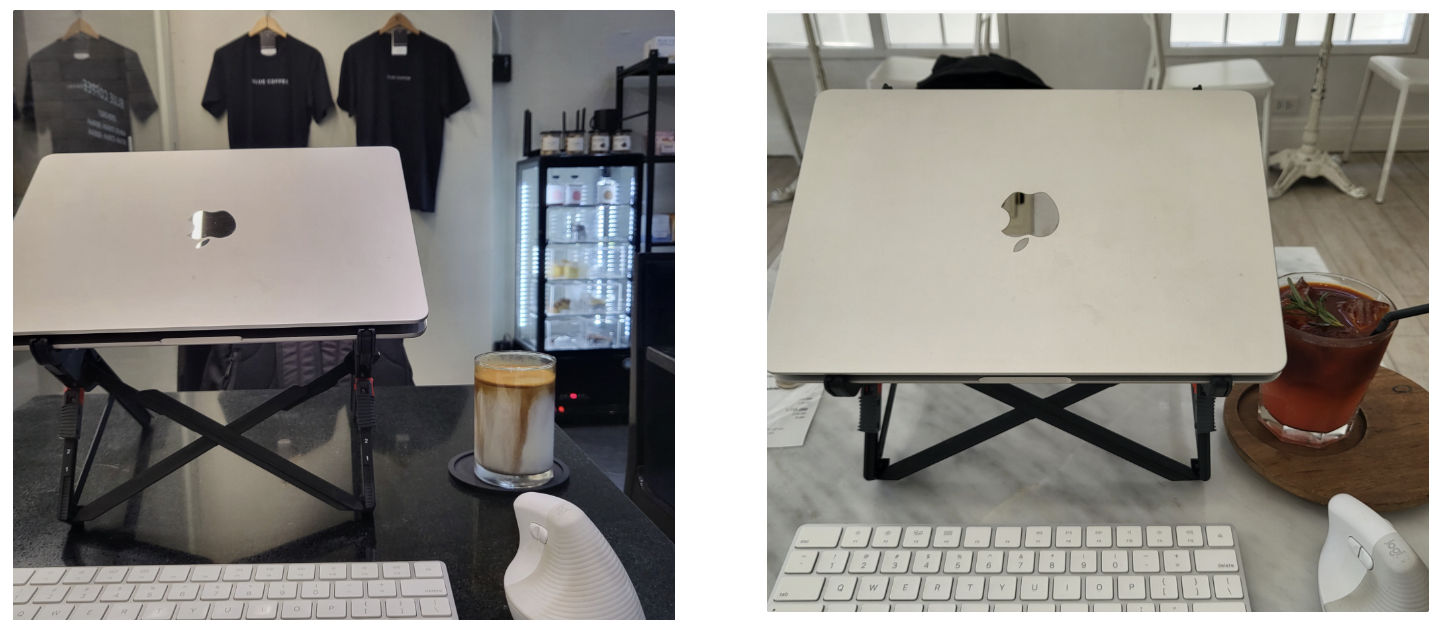
Now, time for the other reason I came to Chiang Mai. There are so many cafes great for working here. Most have good coffee and drinks too. I bought a Magic Keyboard and stand for digital nomading, and I'm very satisfied with them. Yesterday, someone at the next table complimented the stand. (I heard that many digital nomads in Chiang Mai use this stand, and if you don't buy it beforehand, you end up buying it there, so I bought mine in Korea. 😎)
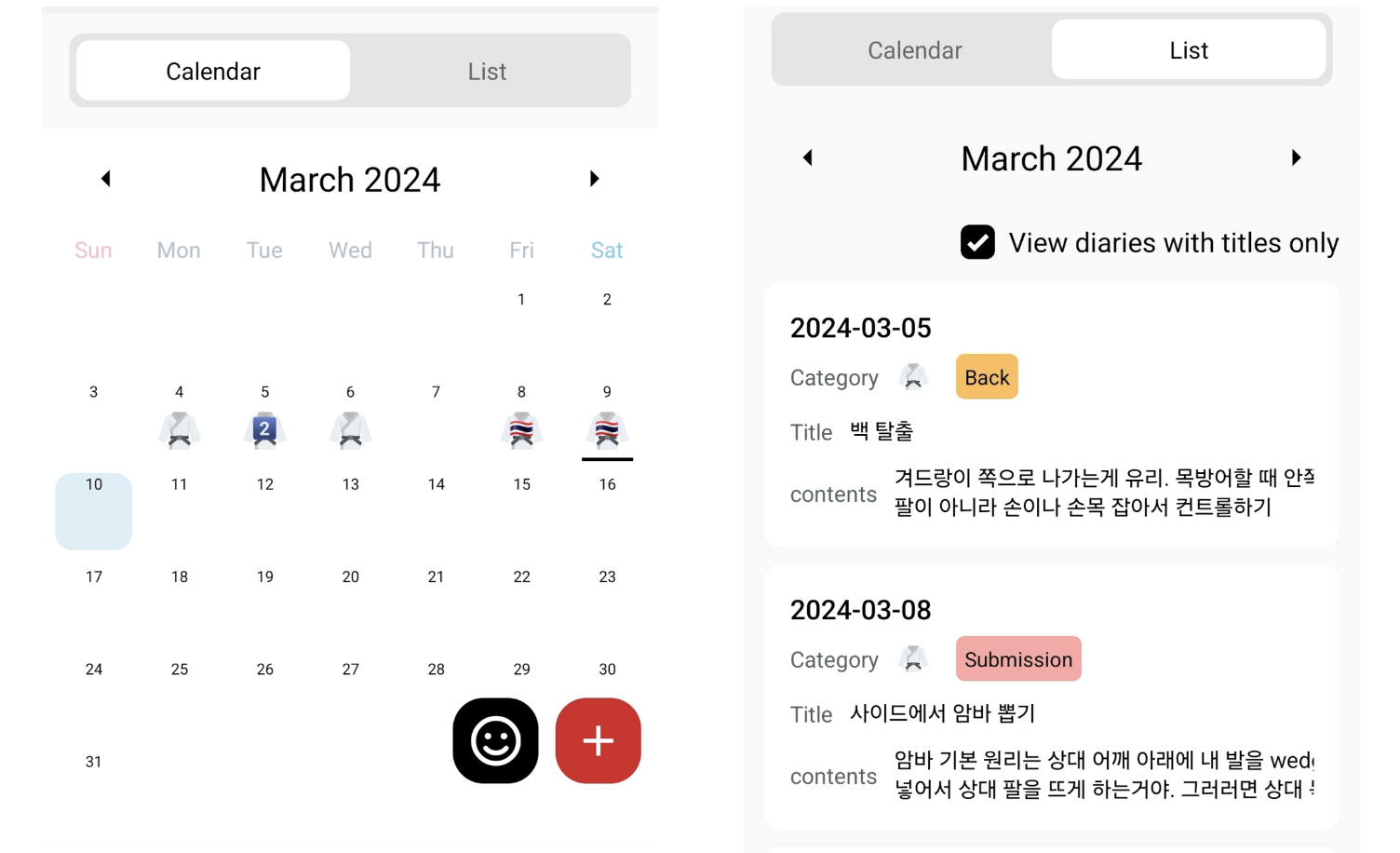
Over the next 2 weeks, Post Black Belt will continue to evolve for better jiu-jitsu tracking. I've almost finished developing the Tab View, and I plan to work on easier diary writing, subscription model improvements, and fixing various bugs. If you have any feedback or opinions about the app, let me know.